
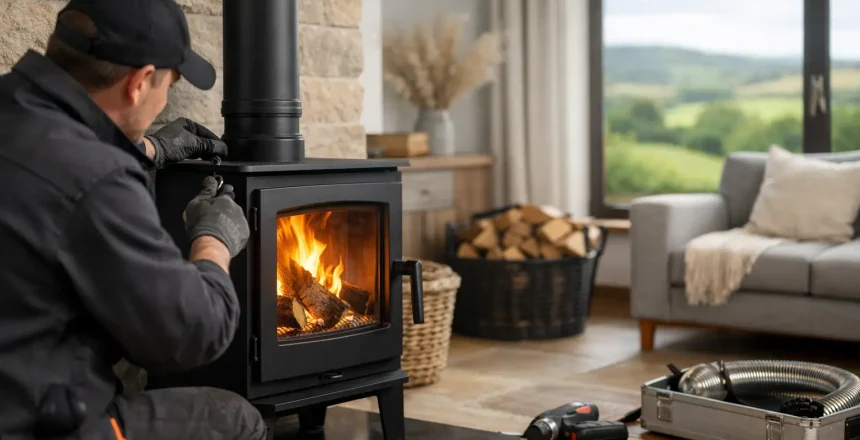
A wood stove can transform a cold sitting room, an unused fireplace or a new-build living space into somewhere the household genuinely wants to gather. But a successful wood stove installation Shropshire homeowners can rely on is not simply a case of placing a stove in an opening and connecting a flue. The appliance, hearth, chimney route, ventilation and building regulations must work together from the outset.
That is why a professional survey is the right place to begin. It gives you a clear answer on what will work in your property, what work is required and what the finished installation will look like before you commit. The result should be efficient, safe, compliant and tailored to how you use your home.
Start with the room, not the stove
The stove’s heat output needs to suit the room. Choosing too large an appliance is a common and expensive mistake. An oversized stove is often operated at a low burn, which can produce poor combustion and leave the room uncomfortably warm. A correctly sized model is easier to run well and gives you a more enjoyable flame.
Room size is only one factor. Ceiling height, insulation, glazing, open doorways and whether the stove will provide occasional warmth or regular heating all influence the recommendation. A surveyor can assess the space in person and explain the sensible output range rather than relying on a rough online calculation.
Your preferred look matters too. A traditional cast-style stove may suit a period cottage, while a clean-lined contemporary model can work beautifully in a modern extension. The key is to select an appliance that meets the technical needs of the room as well as the style of the property.
The chimney and flue route determine the installation
Every stove needs a safe route for combustion gases to leave the building. If you have an existing chimney, it may be suitable for a liner after a full inspection. This is often the most straightforward route, but an old chimney should never be assumed to be ready without checking its condition, size and route.
Where there is no usable chimney, a twin wall stainless steel chimney system can create a purpose-designed route. This makes a stove possible in many extensions, garden rooms and newer homes that have no traditional fireplace. The flue may rise internally through the building or externally along an outside wall, depending on the layout, clearances and appearance you want to achieve.
A good design considers more than the shortest route. The flue needs appropriate clearances from combustible materials, suitable support, correct termination above the roof and a route that performs well in use. These details affect draught, safety and the visual finish of the installation.
Why chimney lining is often recommended
A liner creates a correctly sized, continuous route inside an existing chimney. This helps the stove draw properly and reduces the risk of combustion gases escaping through an unsuitable chimney structure. It also means the system can be matched to the appliance being installed.
Not every chimney presents the same challenges. Some have bends, changes in size or restricted access at roof level. A proper survey identifies these factors early, so the quotation reflects the work required rather than producing surprises once installation has started.
The hearth is a safety feature, not just a design choice
The hearth protects the floor and surrounding area from heat and accidental embers. Its material, thickness and dimensions must be appropriate for the stove and the manufacturer’s requirements. Slate, stone, glass and tiled hearths can all create very different looks, but compliance comes first.
Clearances around and behind the stove are equally important. They are not arbitrary gaps: they protect walls, flooring and nearby finishes from excessive heat. In some homes, creating a suitable fireplace opening or making safe alterations to an existing recess is necessary before the stove can be fitted.
This is where a fully managed service saves time. Rather than asking homeowners to coordinate separate trades, the installation can include the associated building work, hearth creation and flue work required to deliver a finished, compliant result.
Ventilation and fuel affect everyday performance
A wood stove needs oxygen to burn cleanly. Modern homes are often more airtight than older properties, so permanent ventilation may be required, particularly for higher-output appliances. The exact requirement depends on the stove, the property and the presence of other extraction systems.
This should be assessed before fitting, not treated as an afterthought. Adequate air supply supports safer operation and helps the appliance perform as intended.
Fuel is just as significant. Burn only dry, properly seasoned wood with a moisture content of 20% or less, ideally purchased as Ready to Burn fuel. Wet wood creates more smoke, reduces heat output and can cause deposits in the flue. If you are considering a multi-fuel stove, discuss the fuels you expect to use during the survey so the appliance choice is right for your needs.
What compliance means for wood stove installation in Shropshire
In England, a domestic solid-fuel installation must comply with Building Regulations, including the requirements in Approved Document J. A HETAS registered installer can self-certify qualifying work and arrange for the installation to be notified to the local authority. You should receive a HETAS Certificate of Compliance after the work is complete.
That certificate matters. It provides evidence that the installation has been carried out by a competent person and is valuable for your household records, insurance and any future property sale. A professional installer should also explain the stove’s controls, recommended fuel and safe day-to-day operation before leaving the job.
Some locations are subject to smoke control rules. Requirements can vary by area, so it is worth checking the status of your address with the relevant local authority. In a smoke control area, you will need an approved appliance or must follow the applicable fuel restrictions. Many modern Ecodesign stoves are designed for cleaner burning, but suitability should always be confirmed for your particular location and intended use.
What happens during a professional survey?
A survey should give you practical answers, not just a price. The installer will inspect the proposed room, fireplace or chimney route, assess access and consider the condition of the surrounding structure. They will also discuss your preferred stove style, desired heat output and whether you are supplying the appliance yourself or would like a supply-and-fit package.
For homes without a chimney, the survey is especially useful. It establishes the most appropriate twin wall flue route and identifies any internal or external works needed to complete the installation safely. For older properties, it can reveal whether the existing opening needs adjustment and whether a liner is likely to be required.
A clear written quotation should set out the scope of work. This helps you compare like for like and understand what is included, from the stove and flue system to the hearth, labour, certification and any agreed building works. The cheapest figure is not always the best value if essential compliance work has been excluded.
Choosing an installer with confidence
For a stove installation, competence should be non-negotiable. Look for a HETAS registered engineer, clear advice, a detailed quote and a commitment to issue the appropriate certification. Ask how the flue route will be managed, what clearances are required and whether the proposed stove output is suitable for the room.
It is also reasonable to ask about workmanship guarantees, payment options and how the home will be protected while work is underway. Stove Specialists UK focuses on a fully managed, 100% Peace of Mind installation, helping homeowners move from first survey to certified completion without having to manage the technical details themselves.
A stove should feel like a welcome addition to your home, not a source of uncertainty. Arrange a professional survey, ask the practical questions early and choose an installation designed to be safe, legal and enjoyable from the first fire onward.