
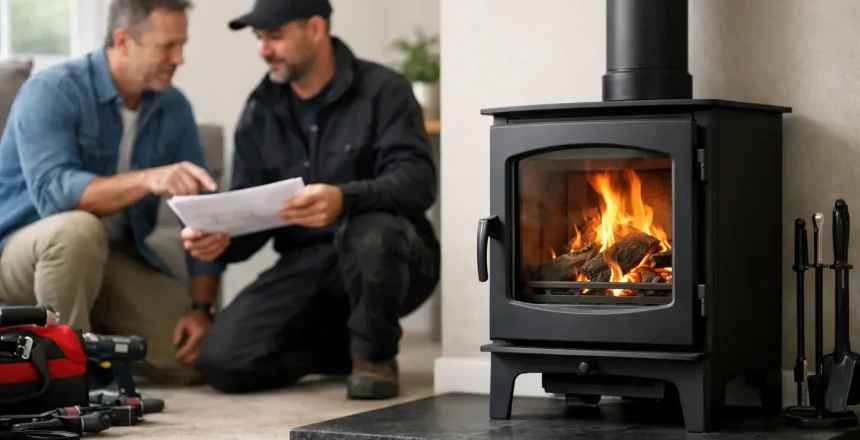
A stove can transform a room, but the quality of the installation matters just as much as the appliance itself. When homeowners start comparing multi fuel stove installers, the real question is not simply who can fit a stove – it is who can fit it safely, legally and in a way that suits the property for the long term.
That matters because no two homes are exactly alike. A period property with an old chimney breast needs a different approach from a newer home with no chimney at all. Some customers already have a stove ready to fit, while others want a full supply-and-install service with advice on the right output, hearth, flue route and finish. A good installer should be able to handle both without turning a straightforward job into a guessing game.
What good multi fuel stove installers actually do
The best installers do far more than place a stove in an opening and connect a flue. They assess the property, check the suitability of the proposed location, review ventilation requirements and recommend the right flue system for the building. They should also consider hearth requirements, distances to combustible materials and whether any additional building work is needed to create a compliant finish.
This is where experience shows. In some homes, an existing chimney can be lined and brought back into use. In others, a twin wall insulated chimney system is the proper route because there is no usable chimney stack. Neither option is automatically better in every case. It depends on the property, the stove being installed and the safest, most practical route for the flue.
A professional installer also manages the final compliance side of the job. That includes commissioning the appliance correctly and issuing the appropriate certification where applicable. For homeowners, that paperwork is not a small detail. It is part of proving that the installation meets the required standard.
Why HETAS registration matters
If you are speaking to multi fuel stove installers in the UK, HETAS registration should be near the top of your checklist. A HETAS registered installer is trained and recognised to carry out compliant solid fuel installations. That gives homeowners a clearer route to a legal, certifiable installation without the uncertainty that often comes when general trades take on specialist stove work.
The practical benefit is peace of mind. You want to know that the person advising on flue size, hearth construction, clearances and ventilation is working to recognised standards. You also want confidence that the installation will be notified and certified properly.
This is especially important if the project is more complex than a basic fireplace fit. A stove in a new extension, an open-plan layout, a property with no chimney, or a full chimney system running externally all require proper technical judgement. The more unusual the setup, the more valuable specialist knowledge becomes.
The questions worth asking before you book
A quote is useful, but it should not be the only thing you compare. Price matters, of course, yet the cheapest figure can quickly lose its appeal if key elements have been missed or left vague.
Start by asking whether the installer is HETAS registered and whether certification is included. Then ask who is responsible for the full scope of works. If a fireplace opening needs altering, a hearth needs constructing, or a new flue system needs routing through the property, it helps to know whether one company will manage everything or whether you are expected to organise separate trades.
It is also sensible to ask how they approach surveys. A proper site visit often reveals issues that cannot be picked up from a few photos and room measurements. Chimney condition, route options for a flue, register plate requirements and surrounding construction all affect what is actually possible.
Finally, ask whether they can install a customer-supplied stove as well as offer supply-and-fit options. Some homeowners already know which appliance they want. Others would rather be guided through the choice. A flexible installer can support either route.
What should be included in a proper quote
A clear quotation should explain what is included and what is not. That sounds obvious, but this is where confusion often starts. One quote may appear lower simply because it excludes key elements that another installer has already accounted for.
A well-prepared quotation should set out the appliance scope, the type of flue or chimney system, the hearth work if needed, labour, commissioning and certification. If additional building works may be required once the area is opened up, the installer should say so plainly. No installer can predict every hidden issue in an older property, but they should be upfront about likely variables.
You should also expect practical advice rather than a one-size-fits-all recommendation. For example, a larger stove is not always better. Oversizing can leave a room uncomfortably hot and reduce how effectively the stove is used day to day. The right installer will focus on what works for your room, your fuel choice and the way you actually live in the house.
Chimney, flue and hearth decisions are rarely one-size-fits-all
A lot of homeowners assume the main decision is choosing the stove. In reality, the success of the installation often depends on the unseen parts around it.
If the property has an existing chimney, the installer needs to confirm whether it is suitable for lining and use with the intended appliance. If there is no chimney, a twin wall stainless steel system may provide a safe and effective alternative. That can be an excellent solution, but the route needs careful planning so that it performs well and looks right on the property.
The hearth also deserves more thought than it usually gets. It needs to meet current requirements and suit the stove and room layout. In some homes, customers want a traditional inglenook feel. In others, a cleaner contemporary hearth works better. A capable installer will explain what is possible without losing sight of compliance.
Beware of vague promises and rushed assessments
Most homeowners are not looking to become stove experts. They simply want the job done properly. That makes it easy to be reassured by broad promises, but a reliable installer should be specific.
If someone is willing to give a firm answer without properly assessing the property, that should raise questions. A stove installation involves heat, combustion, venting and building regulations. It is not the sort of work that benefits from shortcuts.
You should also be cautious if an installer glosses over ventilation, clearance distances or certification. These are not optional extras. They are part of a safe and lawful installation. The best companies explain them in a straightforward way so you know what is required and why.
A fully managed approach usually saves stress
For many homeowners, the biggest benefit of using a specialist is not only technical skill but the fact that the process is managed from start to finish. That includes survey, recommendations, installation, any necessary building work and final sign-off.
That approach tends to reduce delays, crossed wires and unexpected gaps in responsibility. It also makes the whole experience easier if your installation is not standard. A property with no chimney, an awkward room layout or a need for a new fireplace opening all become far simpler when one experienced team is coordinating the job.
This is where a specialist installer such as Stove Specialists UK can make a real difference. Homeowners are not left trying to piece together advice from multiple sources. They get a practical recommendation, a compliant installation and the reassurance of dealing with a HETAS registered engineer.
Choosing the right installer for your home
The right choice usually comes down to confidence. Do they explain the work clearly? Are they transparent about what is included? Do they understand both standard fireplace installations and more complex chimney or flue arrangements? Can they provide a complete, compliant service rather than just the basic fitting?
A good installer should leave you feeling reassured, not pressured. They should be able to walk you through your options, explain trade-offs and recommend what genuinely suits your home and budget. Sometimes that means a straightforward installation into an existing chimney. Sometimes it means a more tailored system with additional building work. Either way, the goal is the same – a safe, efficient stove installation that looks right and performs properly.
If you are comparing multi fuel stove installers, trust the company that treats safety, compliance and practical advice as part of the service, not as afterthoughts. A well-installed stove should bring comfort for years, and that starts with choosing the right people to fit it.