
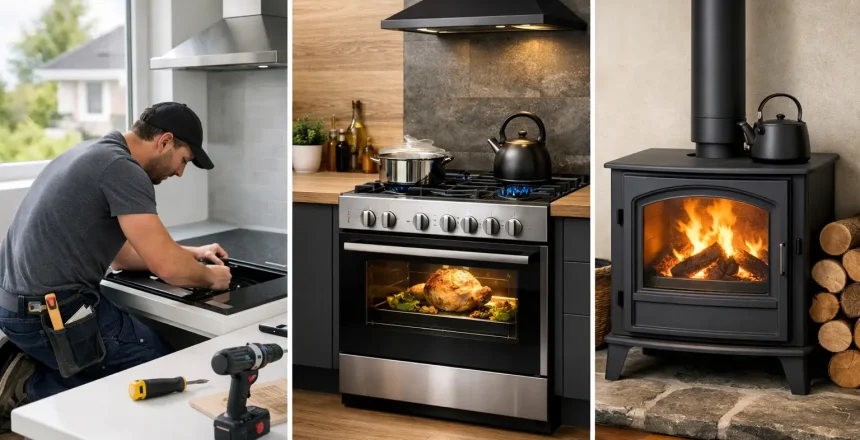
A stove can transform an unused fireplace into the warmest part of the house, but the best projects are no longer chosen on appearance alone. Stove installation trends 2026 are being shaped by cleaner burning, rising expectations around efficiency and a growing demand for fully managed, compliant installations that work properly from day one.
For homeowners, this means looking beyond the stove itself. The flue route, chimney condition, hearth, ventilation and the size of the room all affect safety, performance and the final result. A well-planned installation should feel straightforward for the customer, even when the work behind it is technically detailed.
Stove installation trends 2026: cleaner, more considered heating
The strongest trend for 2026 is thoughtful stove selection. Homeowners are increasingly asking how a stove will heat their actual living space, rather than simply choosing the largest output or the widest viewing window. That is a sensible change. A stove that is oversized for the room can be harder to run efficiently, while one that is correctly specified is more likely to provide steady, comfortable heat.
Modern Ecodesign-ready wood burning and multi-fuel stoves remain central to this shift. These appliances are designed to reduce emissions compared with older stove designs when they are installed and operated correctly. They also suit the way many households now use their homes: a stove may provide a welcoming focal point in the evening, support the main heating system during colder periods and add resilience when energy costs are uncertain.
Clean burning is not achieved by an appliance label alone. Correct flue sizing, a suitable chimney system and good airflow are all essential. The quality of the installation has a direct effect on how the stove draws, burns and performs over time.
Right-sizing takes priority over maximum output
Homeowners are becoming more aware that more kilowatts do not automatically mean more comfort. Room dimensions, insulation levels, glazing, ceiling height and how adjoining rooms are used should all be considered before a recommendation is made.
A compact, efficient stove can be the better choice for a well-insulated lounge or a modern extension. Larger, less insulated spaces may need more output, but that should be confirmed through a proper assessment rather than guesswork. This practical approach helps prevent a stove from dominating the room with excessive heat and encourages cleaner, more efficient use.
Freestanding stoves and new flue routes remain popular
Not every property has a usable chimney, and this is one of the clearest changes in recent years. Homeowners are increasingly creating stove installations in extensions, garden-facing rooms, open-plan living spaces and newer properties where there was never a traditional fireplace.
A twin wall stainless steel chimney system makes this possible in many situations. It can be designed to run internally or externally, subject to the property layout and installation requirements. The route needs careful planning, particularly where it passes through floors, ceilings or the roof, but it gives homeowners more freedom over where a stove can sit.
The visual preference is also changing. Many customers favour a simple freestanding stove set against a feature wall, in an alcove or beneath a carefully designed flue run, rather than trying to recreate a traditional fireplace opening. This can suit contemporary homes particularly well, although period properties often benefit from a more classic chimney-breast installation.
The right option depends on the building. An internal flue route may offer a different appearance and thermal behaviour to an external route. A site survey is the best way to establish what is practical, compliant and visually right for the space.
Hearths are becoming a design decision
The hearth is no longer treated as an afterthought. In 2026, homeowners are choosing hearth materials and proportions as part of the wider room scheme, with an emphasis on clean lines, durable finishes and a balanced relationship between stove and surrounding floor.
Slate-style surfaces, tiled hearths and simple non-combustible platforms all have their place, but the final specification must meet the requirements for the appliance and installation. Clearance distances from combustible materials also need to be considered early. This matters where a stove is planned near timber beams, fitted units, wall panelling or decorative finishes.
A professional installer can advise on the practical limits before building work begins. That avoids the frustration of completing a beautiful feature wall only to find that the proposed stove position or finish needs changing for safety reasons.
Fireplace openings are being simplified, not overfilled
Where a property has an existing chimney breast, many homeowners are choosing a cleaner and less cluttered look. A stove within a prepared opening, paired with a properly sized hearth and restrained finish, often gives a stronger result than an overly elaborate surround.
This does not mean every installation should look modern. A traditional cottage, Victorian terrace or country home may suit a more characterful opening. The key trend is proportion: the opening, stove and hearth should work together, without sacrificing the clearance and construction standards needed for a safe installation.
Compliance is a major part of the buying decision
Homeowners are rightly more cautious about who carries out stove work. A stove installation involves combustion, high temperatures, flue gases and structural considerations. It should never be treated as a simple fitting job.
In England and Wales, stove work must comply with relevant building requirements. Using a HETAS registered engineer provides reassurance that the installation is assessed and completed to the appropriate standards, with formal certification issued when the work is finished. This certification is valuable for your records and can be important when you come to sell the property or discuss home insurance.
Smoke control requirements are another area where informed advice matters. Some locations are subject to smoke control rules, which can affect the type of appliance and fuel that can be used. The responsible approach is to check the circumstances of the property and make a recommendation based on current local requirements, rather than making assumptions.
Customers want one team to manage the full project
A growing expectation for 2026 is a single point of responsibility from survey through to certification. Homeowners do not want to coordinate separate trades for chimney lining, flue installation, hearth construction and the final stove fitting if it can be avoided.
A fully managed service makes the process clearer. The survey identifies the likely route and building requirements; the quotation explains the scope; the work is scheduled in the right order; and the finished installation is tested and certified. It is a more reassuring route than trying to piece together separate elements without a complete plan.
This is particularly valuable for properties with awkward chimney arrangements, no existing chimney or a fireplace that needs careful preparation. It also helps keep costs transparent. The cheapest initial price is not always the best value if key work has been excluded or compliance has not been properly considered.
At Stove Specialists UK, the focus is on giving homeowners clear recommendations and a hassle-free, safety-first installation, whether they need a complete supply-and-fit service or professional fitting for a stove they have already chosen.
Efficiency also depends on how the stove will be used
The 2026 conversation is moving beyond installation alone and towards realistic ownership. Even the best-installed stove needs suitable fuel and sensible operation to burn efficiently. For wood burning stoves, dry, properly seasoned wood is essential. Wet wood creates more smoke, less useful heat and can lead to poor stove performance.
Homeowners should also think about their routine. A stove used occasionally for atmosphere may need a different style and heat output from one intended to provide regular supplementary heating throughout winter. The right recommendation should reflect the household, not just the room photograph.
Plan early for the best result
If you are renovating a lounge, building an extension or considering a new heating feature, involve a stove specialist before finishes are finalised. Early advice on flue position, clearances, hearth dimensions and ventilation can save time, unnecessary building changes and disappointment later on.
The most worthwhile stove installations in 2026 will be the ones that combine a stove you genuinely enjoy using with a properly designed flue system, compliant workmanship and certification that gives you complete peace of mind.