
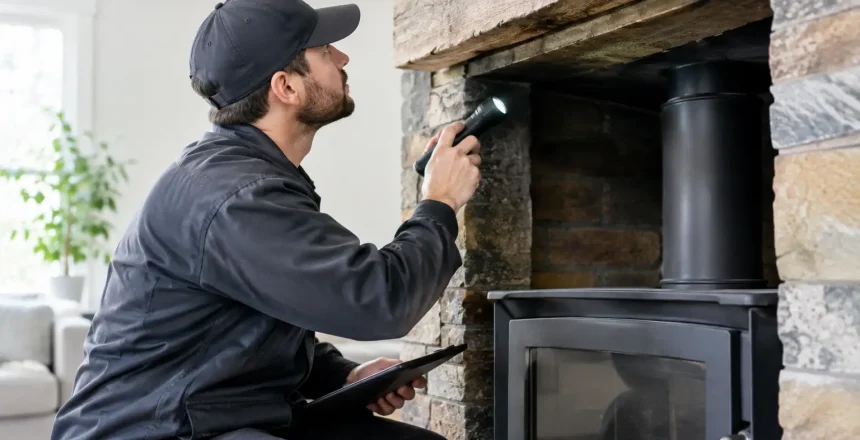
A fireplace can look ready for a log burner and still hide issues that affect safety, draught and compliance. If you need chimney inspection work before fitting a stove, the right time to arrange it is before you choose an appliance or book an installation date. A professional survey gives you clear answers about what your home can accommodate, rather than relying on assumptions based on what is visible in the room.
For many homeowners, this is the stage that turns a good idea into a safe, practical heating project. It identifies the route the flue gases will take, whether the chimney is suitable for lining, and what work may be required to create a compliant installation. That means fewer surprises once installation begins and far greater confidence when you light your stove for the first time.
Do You Need a Chimney Inspection for a New Stove?
In most cases, yes. A chimney inspection is strongly recommended before installing a wood burning or multi-fuel stove into an existing fireplace. It is also relevant where a property has a chimney breast that has not been used for years, where the previous appliance was different, or where the flue route is unclear.
A chimney built for an open fire is not automatically suitable for a modern stove. Stoves operate differently: they require a correctly sized, sound flue system that can carry combustion gases safely away while providing enough draw for the appliance to work as intended. The chimney may look perfectly serviceable from the hearth, but its condition, dimensions and route cannot be judged properly from ground level alone.
There are occasions when a full chimney inspection is not the central issue. If your home has no usable chimney, a twin wall stainless steel chimney system may provide the appropriate solution. A survey is still essential, because the installer must assess the route through the building, clearances from combustible materials, terminal position and the requirements of Building Regulations.
The practical answer is simple: arrange a professional assessment before committing to a stove model. The appliance, flue design and building work need to work together.
What a Professional Chimney Inspection Checks
An inspection is not just a quick look up the chimney. A competent stove installer assesses the whole proposed system, from the room and hearth to the chimney pot or flue terminal. The purpose is to establish whether a safe, efficient and compliant installation can be designed for your property.
The survey will usually consider the fireplace opening and chimney breast, including whether there is enough space for the stove and the required clearances. It will assess the existing flue route, likely flue diameter, chimney height and terminal position. The engineer will also consider access for the installation, the condition of the surrounding structure, ventilation needs and the type of fuel you intend to burn.
A camera survey can be particularly useful where the flue is old, blocked, offset or otherwise difficult to assess. It provides a clearer picture of the internal route and helps establish whether a flexible flue liner is the right approach. In other homes, the best option may be a new insulated chimney system rather than trying to use an unsuitable existing route.
The findings should lead to a clear recommendation, not unnecessary work. Every house is different. A Victorian property with a tall chimney stack, for example, presents different considerations from a modern home with a factory-built flue or a new-build without a chimney.
The stove size matters too
Inspection and appliance selection should happen together. A stove that is too large for the room can make the space uncomfortably hot and encourage low-temperature burning. One that is too small may not provide the warmth you expect. The required flue size and configuration can also vary depending on the appliance specification.
This is why buying a stove first and investigating the chimney later can create complications. A free quote and survey from an experienced installer helps you choose a system that suits both your home and your heating needs.
When Should You Arrange an Inspection?
The best time is at the beginning of the project, particularly if you are renovating a fireplace, moving into a property with an unused chimney, or planning building work around a new stove. Early assessment allows the installation to be designed correctly and gives you a realistic picture of timescales and cost.
You should also arrange an inspection if you notice smoke entering the room, poor draw, staining around the fireplace, unusual smells when the chimney is warmed, or uncertainty about the chimney’s history. These signs do not automatically mean the project cannot go ahead. They do mean that a professional needs to establish the cause before a stove is installed or used.
If your property is listed, in a conservation area, or subject to restrictions from a freeholder, additional permissions may be needed. Your installer can explain the practical implications, but it is sensible to check these matters early. Planning the flue route properly is much easier before internal finishes or external works are complete.
Why a Sweep Alone Is Not an Inspection
A chimney sweep and a chimney inspection serve different purposes. Sweeping removes soot and deposits from a flue. An inspection assesses whether the chimney or flue system is appropriate for the proposed appliance and installation.
For a straightforward, recently used chimney, sweeping may be one sensible part of the preparation. However, it does not replace a survey of flue suitability, chimney dimensions, terminal arrangement, hearth requirements and compliance details. A clean flue can still be the wrong size, have an unsuitable route or need lining to support a modern stove installation.
Treating these as separate jobs helps avoid false reassurance. The aim is not simply to have a clear chimney. It is to create a complete system that operates safely and efficiently.
Compliance, Certification and Peace of Mind
Stove installations in England and Wales must meet the relevant Building Regulations. This covers matters such as hearth construction, distances to combustible materials, flue performance, ventilation and carbon monoxide alarms. The exact requirements depend on the property and the installation design.
Using a HETAS registered installer gives homeowners a straightforward route through this process. Following a compliant installation, the work can be self-certified where applicable, and you receive the documentation needed for your records. This is valuable when selling your home, arranging insurance or simply wanting confidence that the work has been completed correctly.
A professional installer should explain the recommendation in plain English. You should understand whether your existing chimney can be lined, whether a twin wall system is more suitable, what building work is involved and what the final installation will include. There may be more than one viable option, with different costs and visual outcomes. The right choice depends on safety first, then the layout of your home, the stove you want and your budget.
At Stove Specialists UK, our HETAS registered engineers take a fully managed approach, from survey and recommendations through to installation and certification. Whether you are opening up an original fireplace or adding a stove to a home without a chimney, the focus is on a compliant result and 100% peace of mind.
Preparing for Your Chimney Survey
You do not need technical knowledge to arrange an inspection, but a little preparation can make the visit more productive. If you have details of a previous stove or fireplace, any certificates, photographs of the chimney stack, or information from the property’s survey, keep them to hand. They can provide useful context, although the engineer will still need to assess the site in person.
Make the fireplace area accessible and think about how you want to use the room. Is the stove intended as a main source of warmth, occasional supplementary heat, or a focal point for a living space? Would you prefer a traditional fireplace opening, a freestanding stove, or a contemporary installation? These decisions influence the recommended appliance and flue arrangement.
It is also worth being open about your budget. A good installer can walk you through suitable options without compromising on the essentials. Safety, legal compliance and correct installation should never be treated as optional extras, but there can be flexibility in the appliance choice, finish and scope of surrounding building work.
A chimney inspection is a small step compared with the long-term value of a properly installed stove. Start with a professional survey, ask clear questions, and you can move forward knowing your new heating feature has been designed around your home rather than forced into it.