
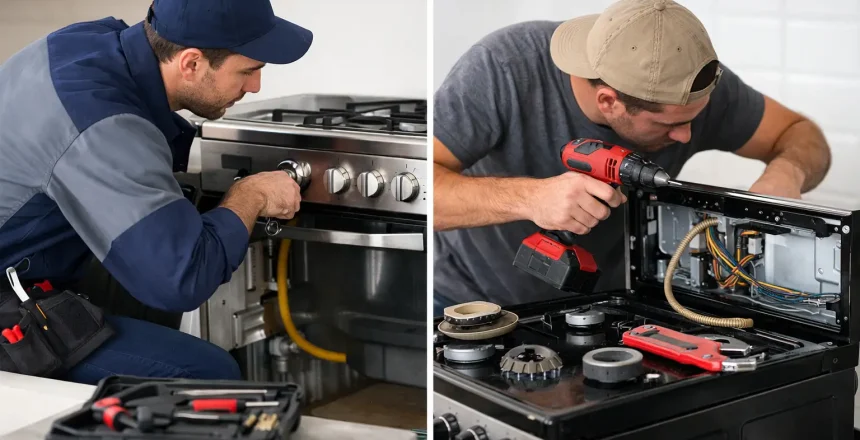
A wood burner can make a room feel warmer, calmer and more useful through the colder months. But when homeowners compare stove fitting vs DIY installation, the real question is not simply who can put the stove in place. It is who can make sure the complete system is safe, legal, efficient and ready to use with confidence.
A stove is connected to high temperatures, combustible materials and combustion gases. Small errors in clearance, flue design, hearth construction or chimney connection can have serious consequences. DIY can appear to save money at the outset, but a compliant professional installation often protects the value of that investment from day one.
Stove fitting vs DIY installation: the key difference
A professional stove fitting service considers the whole installation, not just the appliance. That begins with a site survey and includes the chimney or twin wall flue system, the hearth, the fireplace opening, ventilation where required, safe distances from combustible surfaces and the final certification.
A DIY installation can range from capable homeowners carrying out building work themselves to an installation that is completed without the required checks or notification. The difficulty is that a stove can look finished while still falling short of Building Regulations. A neat-looking installation is not automatically a compliant one.
For most homeowners, the deciding factor is accountability. A HETAS registered engineer understands the requirements of Approved Document J, can identify issues before work begins and provides the certification needed once the work is complete. This gives you a clear record that the installation has been carried out properly.
What a compliant stove installation involves
Every property is different. An existing chimney may need a new liner, while a modern extension, new-build home or room without a chimney may require a twin wall stainless steel chimney system. Some fireplace openings need alteration, and others need a suitably sized hearth created before the stove can be fitted.
These are not cosmetic decisions. The right flue diameter, route and termination all affect how well a stove draws and how safely combustion gases leave the property. An unsuitable flue route can lead to poor performance, smoke entering the room or excessive heat near vulnerable materials.
The hearth also has a practical safety role. Its construction, thickness and dimensions must be suitable for the stove and its tested hearth temperature. Clearances around the appliance must follow the manufacturer’s instructions, unless an appropriate heat shield or construction method has been designed to reduce them safely.
A professional installer will also make sure a carbon monoxide alarm is fitted in the correct location. This is a straightforward requirement, but it should never be treated as an optional extra. Carbon monoxide has no smell and no colour, so early warning matters.
The chimney is only one element
It is easy to assume that an existing chimney makes installation simple. In reality, chimneys vary widely in condition, size, route and draught. A survey helps establish whether it is suitable for a stove, whether a liner is needed and whether the fireplace area can safely accommodate the chosen appliance.
Where there is no usable chimney, a twin wall system can create a practical solution. Its route must be planned carefully through the property and roof, with correct support, safe clearances and a suitable terminal position. This is often where professional experience delivers real value, particularly in properties with complex rooflines or limited internal space.
Can you legally install a stove yourself?
In England and Wales, homeowners can carry out stove installation work themselves, but the work must still comply with Building Regulations. If you are not using a registered competent person to self-certify the work, you normally need to notify your local authority Building Control before work starts.
Building Control may inspect the installation and issue a completion certificate once satisfied. There can be a fee, and arranging inspections can affect the project timetable. Requirements differ in Scotland and Northern Ireland, so homeowners should check the relevant local process before committing to work.
This is the point often missed in online DIY advice. Buying a stove and connecting it to a chimney is not the same as completing a legally compliant installation. If the correct route is not followed, you may later face questions when selling the property or making an insurance-related enquiry.
A HETAS registered installer can self-certify eligible work and issue the relevant certificate after completion. That avoids the need for you to manage Building Control notification for the installation and gives you formal evidence for your home records.
Where DIY can make sense
DIY involvement does not have to mean taking responsibility for the technical installation. If you are confident with general building work, you may choose to prepare a room, remove an old non-structural surround or carry out decorative finishing around a project, subject to an installer’s advice.
Some homeowners also buy their own stove and ask a specialist to fit it. This can be a sensible route when the appliance has been selected carefully and is suitable for the property. A professional survey before purchase is still worthwhile, as stove size, output, flue compatibility and clearance requirements all need to work together.
DIY is most realistic when you have demonstrable technical knowledge, are prepared to involve Building Control where necessary and fully understand the manufacturer’s instructions and UK regulations. Even then, the time required for research, coordination and inspection should be factored into the cost comparison.
The hidden cost of getting it wrong
The appeal of DIY is usually the lower initial price. Yet a low upfront figure can change quickly if the chosen stove is unsuitable, a flue route has to be altered, a hearth needs rebuilding or Building Control identifies non-compliant work.
There is also the cost of uncertainty. A stove that does not draw correctly is frustrating to use. One that has not been documented properly can complicate future property paperwork. More seriously, inadequate clearances or an incorrectly designed flue system can create a genuine safety risk.
Professional fitting is not automatically the cheapest route on paper, particularly for a simple fireplace installation. It is usually the more predictable route because the survey identifies the scope before work begins. You can receive a clear recommendation for the stove, chimney liner or twin wall system, associated building work and certification required.
Why HETAS registration matters
HETAS registration is not a marketing label. It demonstrates that the installer is registered through a competent person scheme for solid fuel work and can certify qualifying installations. For a homeowner, it is a practical sign that the person fitting the stove understands the standards that apply.
Ask who will carry out the work, whether they are HETAS registered and what documentation you will receive at the end. It is also sensible to check that the quote covers the full installation scope, rather than only the visible stove fitting. The flue system, hearth, chimney work and certification should be clear from the outset.
At Stove Specialists UK, the focus is on a fully managed installation that starts with practical advice and ends with formal certification. That includes straightforward fireplace projects as well as homes requiring a new twin wall chimney system, giving homeowners one experienced point of contact throughout.
Choosing the right route for your home
If your priority is the lowest possible upfront spend and you have the knowledge to manage compliance, Building Control and technical decisions, DIY may be an option. Be honest about the level of responsibility involved. A stove installation is not a weekend decorating job.
If you want clear advice, compliant workmanship and the reassurance of certification, professional fitting is the stronger choice. It is particularly valuable where the property has no suitable chimney, the fireplace needs building work, the flue route is complicated or you are unsure which stove output is right for the room.
Before ordering an appliance, arrange a proper survey and ask for a written scope of work. The best stove installation is not the one that is finished fastest. It is the one you can light on a cold evening knowing every detail has been planned for safety, performance and 100% peace of mind.