
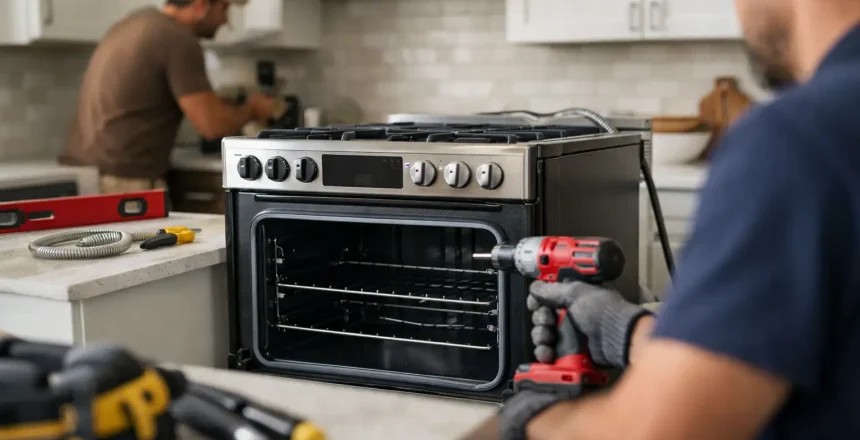
A stove can transform a cold fireplace or give a new-build room a real focal point, but homeowners understandably want to know how long the work will take before committing. Stove installation duration is not one fixed number. A straightforward installation may be completed in a day, while a property that needs a new flue route, a chimney liner and building work will take longer. The right answer comes from a proper survey, not a guess made from a photograph.
For most homes, the installation itself takes between one and three days. The key is to separate the time spent installing from the time needed to plan the job, order the stove and arrange any supporting works. A HETAS registered installer will assess the property first, explain what is required for a compliant result and set out a realistic schedule before work begins.
Typical stove installation duration by project type
A simple stove installation into an existing, suitable fireplace is often a one-day job. This usually applies where the chimney is sound, access is clear, the hearth is already suitable or requires only limited preparation, and the selected stove is ready to fit. The work may include preparing the fireplace opening, installing a correctly sized flue liner, fitting the appliance, connecting the flue and carrying out final safety checks.
Where a fireplace needs more preparation, allow one to two days. For example, opening up a boarded or altered fireplace, creating a compliant hearth, making good the surrounding area and lining the chimney can add time. This is still a manageable project, but it should not be rushed. The finished installation must have the correct clearances, safe construction and a flue system designed for the stove.
A home without a usable chimney generally requires two to three days, sometimes longer where the route is particularly complex. In these projects, a twin wall stainless steel chimney system is installed internally or externally, passing safely through floors, walls or the roof as required. The route, roof finish and distances from combustible materials all need careful planning. A well-designed twin wall system can make a stove possible in many homes, but it is more involved than fitting into a traditional fireplace.
Larger projects can extend beyond three days when they include substantial chimney renovation, alterations to the fireplace opening, structural work or specialist finishes. These jobs are not simply about fitting a stove. They are managed installation projects, with each stage completed in the correct order so that the final system is safe, efficient and compliant.
What determines how long a stove installation takes?
The chimney is usually the biggest factor. An existing chimney may look ready from the room below, yet its condition, dimensions and route can only be assessed properly during a survey and, where appropriate, testing. Older properties can have bends, narrow sections or construction details that affect the liner choice and the time needed to install it safely.
Access also matters. A liner is commonly installed from the top of the chimney, so safe roof access needs to be considered. A tall property, awkward roofline or limited external access may mean additional preparation. Inside the property, installers need a clear route to bring in the stove and materials, protect the working area and complete the installation without avoidable delays.
The stove itself has an effect too. The appliance must be correctly sized for the room and compatible with the proposed flue arrangement. A stove that is too powerful can make a space uncomfortably warm, while an unsuitable flue configuration can create performance and compliance issues. Choosing the right appliance at the survey stage avoids last-minute changes that can hold up the programme.
Ventilation and hearth requirements can add time, particularly in modern, well-sealed homes. Building Regulations set clear requirements around combustion air, clearances and the non-combustible surface beneath and around the stove. The exact work depends on the appliance, the room and the property. This is why a professional installer will not promise a final timescale until these details have been checked.
The survey prevents delays later
The fastest installations are usually the best prepared ones. During a survey, a competent installer can establish whether the property has a suitable chimney, whether a liner is needed, where the stove will sit, and whether the hearth and fireplace opening meet current requirements. For homes without a chimney, the survey identifies the safest and most practical twin wall flue route.
This visit is also the time to discuss the look and use of the stove. A homeowner who wants occasional evening warmth may need a different solution from someone intending to use their stove as a regular source of heat. The survey brings together practical considerations such as room size, fuel choice, chimney arrangement and the desired finish, so the installation day is organised rather than improvised.
A clear quotation should outline the work included and any assumptions that depend on what is found on site. This gives you a more reliable view of the stove installation duration and the overall cost. It also gives you the opportunity to plan around the work, especially if the stove is being fitted during a busy household period or before colder weather arrives.
What happens during the installation?
On the day, the installation team should protect the work area and confirm the agreed plan before starting. If a chimney liner is required, it is installed and connected to the stove with the appropriate flue components. For a twin wall system, the sections are assembled along the approved route and properly supported at each stage.
The stove is then positioned on its hearth, connected and checked for required clearances. The installer will carry out the necessary commissioning checks, including testing the flue system and confirming that the appliance is operating as intended. This is skilled work rather than a job to compress for the sake of saving a few hours.
Dust and disruption are often a concern, particularly when a fireplace has to be opened up. There can be some mess during building work, but careful preparation and protection make a significant difference. Ask before the work starts what areas need to be kept clear and whether you should remove pictures, furnishings or fragile items close to the fireplace.
Certification is part of a complete job
A stove is not fully finished the moment the installer leaves the room. In England and Wales, a solid fuel installation must comply with Building Regulations. Using a HETAS registered installer means the completed work can be self-certified, with the relevant documentation issued after installation. This is valuable evidence that the work has been completed to the required standard and may be needed when selling the property or dealing with home insurance.
Certification should never be treated as an optional extra or an afterthought. It is part of the safety-first process, alongside suitable materials, proper clearances, ventilation and correct flue design. A quicker job that overlooks these requirements is not better value.
How to keep your installation on schedule
You can help the project run smoothly by making decisions early. Confirm the stove model, finish and installation location before the booking is finalised. If your installer asks for measurements, photographs or details about the chimney, provide them promptly and accurately. It is also sensible to clear the working area before the team arrives and make arrangements for children and pets to stay safely away from the installation zone.
Avoid booking the work around a rigid deadline unless the survey has confirmed that the scope is straightforward. Chimneys and older fireplaces can occasionally reveal conditions that were not visible beforehand. A professional installer will explain any change clearly and recommend the safe course of action, rather than pressing ahead with a compromise.
At Stove Specialists UK, every project is planned around the property, not forced into a standard template. Whether you have a traditional fireplace ready for a log burner or need a complete new flue system, a detailed survey gives you the confidence to plan properly and look forward to using your stove with 100% peace of mind.
The most useful next step is to arrange a professional survey early, particularly ahead of autumn and winter. You will receive a realistic timescale, clear recommendations and a compliant route to the warmth and atmosphere you want in your home.