
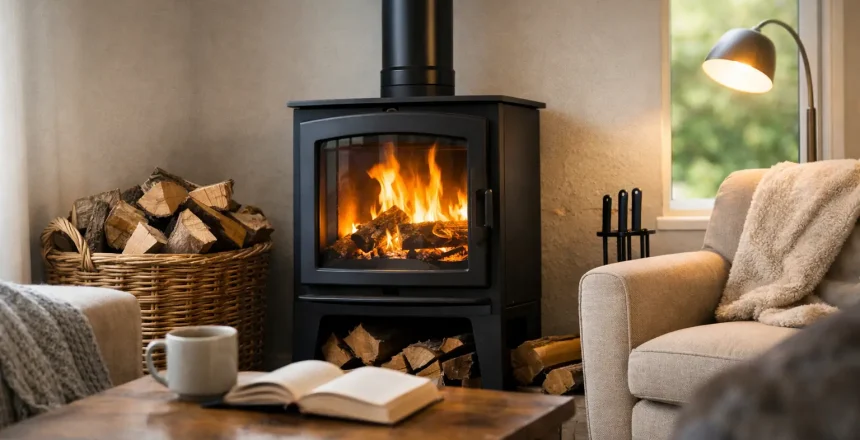
A cold evening feels very different when there is a real fire at the centre of the room. For many homeowners, the top reasons to install a log burner go beyond appearance: they want dependable heat, a more inviting living space and greater confidence in how their home is heated. A modern stove can deliver all three, provided it is selected and installed properly.
A log burner is not a one-size-fits-all purchase. The right appliance, flue route, hearth and chimney arrangement depend on your property, the room size and how you intend to use the stove. A professional survey makes the decision simpler and ensures the finished installation is safe, legal and built to last.
Top reasons to install a log burner
1. Enjoy efficient, targeted warmth
An open fireplace can send a considerable amount of heat up the chimney. A modern, properly specified log burner is designed to burn fuel far more efficiently and direct more usable warmth into the room. This makes it an excellent choice for living rooms, kitchen-diners, garden rooms and other spaces where the household spends most of its time.
Targeted heating is often the real attraction. Rather than relying solely on central heating to warm every room at once, you can create a comfortably warm focal room when you need it. This can be particularly welcome on chilly spring and autumn days, when lighting the whole heating system may feel unnecessary.
The result will depend on several factors, including the stove’s output, room insulation, ceiling height and ventilation. Bigger is not automatically better. An oversized stove can make a room uncomfortably hot and may not run as cleanly as it should. Correct heat-output calculations are therefore an important part of a successful installation.
2. Create a room people want to spend time in
Few home improvements change the feel of a room as immediately as a stove. The flame, gentle radiant heat and solid presence of a well-fitted log burner can turn an underused fireplace or blank wall into a genuine gathering place.
There is plenty of choice in appearance, from traditional cast-style stoves that suit period properties to clean-lined contemporary models for newer homes. The surrounding finish matters just as much. A carefully built hearth, a suitable chamber and proportionate positioning can make the stove look as though it has always belonged there.
This is not only about style. Homeowners often find that a stove gives a room a clearer purpose. It becomes the natural place for family evenings, quiet weekends and welcoming guests through the colder months.
3. Add a dependable secondary heat source
A log burner can provide welcome resilience alongside your main heating system. If you have access to suitable dry wood and the right stove arrangement, it gives you an independent source of warmth in the room where it is installed.
That reassurance is especially valued in rural homes, older properties and households that simply want more control over their comfort. It does not replace the need for a properly designed central-heating system, and it will not heat every room evenly. However, as a secondary heating option, a stove can make a noticeable difference when temperatures drop.
For the best experience, plan how you will use it. Think about where fuel will be stored, how often the stove will be lit and whether the room needs heat circulation to adjoining spaces. Clear expectations before installation help ensure the stove fits your routine rather than becoming an occasional feature.
4. Make better use of an existing fireplace
Many homes have fireplaces that are no longer practical as open fires, have been covered over or are simply not performing well as a source of heat. Installing a log burner can give that part of the home a useful new role while retaining its character.
An existing chimney may be suitable for a stove, but it must be assessed before any work starts. The flue needs to be appropriate for the appliance, and a liner may be required to create a safe, efficient route for combustion gases. The fireplace opening may also need building work so that the stove, hearth and clearance requirements are properly accommodated.
A professional installer can explain what is viable without guesswork. In some cases, a modest alteration delivers the result you want. In others, more extensive chimney or fireplace work is the sensible route to a compliant installation.
5. Install a stove even without a chimney
No chimney does not necessarily mean no log burner. Modern twin-wall stainless-steel chimney systems can allow a stove to be fitted in extensions, new-build homes, garden rooms and properties where there is no usable chimney breast.
The flue route must be carefully designed. It needs suitable clearances from combustible materials, correct support, appropriate termination above the roofline and a layout that allows the stove to draw correctly. These are technical details, but they directly affect safety, performance and the final appearance of the installation.
This option opens up far more possibilities than many homeowners expect. A survey will establish whether a suitable route can be created internally or externally, while taking account of the building layout and local planning considerations where relevant.
6. Choose a heating feature with long-term appeal
A quality stove installation is a practical improvement, but it can also strengthen a home’s appeal. Buyers and visitors often respond to the combination of warmth, character and visible quality that a well-designed stove brings to a living space.
There are no guarantees about the value any individual improvement adds to a property. Location, condition and buyer preference always matter. Still, a legally installed, appropriately sized stove with professional certification is a far more reassuring proposition than an informal or poorly planned installation.
For homeowners who intend to stay put, the benefit is more immediate: you get to enjoy a comfortable, distinctive room every winter. For those considering a future sale, keeping the installation documentation is sensible and demonstrates that the work was completed correctly.
The practical side of installing a log burner
The best reason to install a log burner is only realised when the installation is planned around your home. Before choosing a stove, an installer should consider the room dimensions, insulation levels, chimney condition or proposed flue route, hearth requirements and air supply.
Ventilation is particularly important in modern, well-sealed homes. A stove needs oxygen to burn safely and efficiently, and some properties require a permanent air vent. Extractor fans, air bricks and the presence of other combustion appliances can also affect the assessment.
In England and Wales, stove work is subject to Building Regulations. Using a HETAS registered installer means the work can be self-certified, with the appropriate compliance documentation provided after completion. You should also expect a carbon monoxide alarm to be fitted in the same room as the appliance, in line with current requirements.
If you live in a smoke control area, the appliance and fuel choice need extra attention. A suitable DEFRA-exempt stove may be required if you plan to burn wood. Burning properly seasoned or kiln-dried wood with a moisture content of 20% or less will help the stove perform cleanly and reduce deposits in the flue.
Why professional installation gives peace of mind
A stove should never be treated as a simple decorative addition. It involves fire, heat, combustion gases and building regulations, so the details matter. Correct distances from combustible surfaces, a suitable non-combustible hearth, secure flue connections and safe chimney termination are all essential.
A fully managed installation removes much of the uncertainty. From the initial survey through to hearth construction, chimney lining or twin-wall flue installation and final certification, you know the system has been designed as a whole. This is particularly valuable where a property has an unusual layout, an older chimney or no chimney at all.
Stove Specialists UK provides supply-and-fit and installation-only options, helping homeowners choose an approach that suits their project and budget. A clear quotation before work begins, advice from a HETAS registered engineer and formal certification once the work is complete all contribute to a 100% peace of mind installation.
A log burner should make your home feel warmer, more welcoming and easier to enjoy, not leave you concerned about whether the work has been done correctly. Start with a proper survey, ask practical questions about your room and fuel plans, and choose an installation that gives you confidence every time you light the fire.