
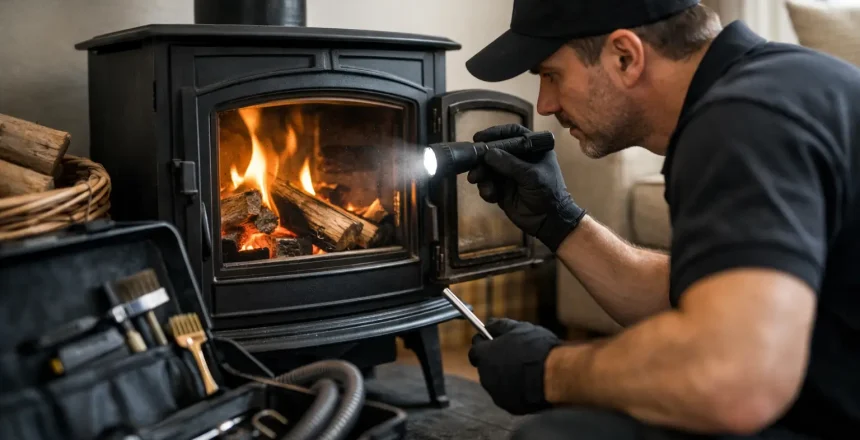
Autumn is when many homeowners discover their stove is not quite ready for the colder months. The first fire of the season can reveal poor draw, lingering odours, excessive soot or a stove that simply does not feel as efficient as it once did. That is exactly why a regular log burner service matters. It is not just about keeping the appliance working well – it is about safety, efficiency and making sure your stove system is fit for use when you need it most.
Why a log burner service matters
A stove may look simple from the outside, but the system behind it is not. The appliance, flue, chimney arrangement, hearth, ventilation and surrounding installation details all work together. If one part is underperforming, the whole setup can suffer.
A professional log burner service helps identify issues before they turn into bigger problems. That might mean spotting signs of poor combustion, checking that the flue path is performing as it should, or confirming that the appliance is still operating safely within the installation it was designed for. For homeowners, the value is straightforward – fewer surprises, better performance and more confidence every time the stove is lit.
There is also the legal and insurance side to consider. Solid fuel appliances must be installed and maintained properly. While the exact servicing schedule can depend on how often the stove is used, leaving it unchecked for too long is rarely a sensible gamble.
How often should you book a log burner service?
For most households, an annual service is the sensible baseline. If you use your stove heavily through autumn and winter, or as a significant heat source rather than an occasional feature fire, yearly attention is especially important.
That said, usage does matter. A stove lit every evening through the colder months puts more demand on the appliance and flue than one used a handful of times over Christmas. The type of fuel burned, the moisture content of logs and the quality of the original installation can all affect how quickly performance changes over time.
The best time to book is often late spring or summer. Engineers are usually less stretched than they are in peak heating season, and any issues can be dealt with well before the weather turns. Waiting until the first cold week in October is common, but not ideal.
Signs your stove should not be left unchecked
Some warning signs are obvious. Smoke entering the room, difficulty getting the fire established or blackened stove glass that builds up unusually fast are all worth investigating. Others are subtler, such as a stove that no longer gives off the same level of heat or a fire that seems harder to control than before.
You may also notice stronger smells around the appliance when it is in use, or find that ash and soot seem to build up more quickly than expected. None of these signs automatically point to one specific fault. Sometimes it is a usage issue, sometimes it is an airflow issue, and sometimes it points to a flue or installation concern. That is why a proper service is more useful than guesswork.
If the stove has not been used for a long period, booking a check before relighting it is also sensible. Long gaps in use can hide developing issues that are not obvious at a glance.
What a professional log burner service should include
A proper service is more than a quick once-over. It should be carried out methodically by someone who understands both the appliance and the wider installation standards that apply to solid fuel systems.
In most cases, the engineer will assess the condition and operation of the stove, inspect key seals and working components, examine the flue connection and check for signs that combustion or airflow is not as it should be. The surrounding installation also matters. Hearth suitability, safe clearances and general compliance all play a part in whether the system remains safe and effective.
This is where experience counts. A HETAS registered engineer is trained to recognise not only obvious faults but also early signs of installation-related concerns that a general inspection might miss. For homeowners, that means clearer advice and a more reliable outcome.
A service should also be honest about trade-offs. In some cases, the appliance itself may be sound but the way it is being used is affecting performance. In others, the setup may technically work but still benefit from improvements to support cleaner burning and more consistent heat output.
Servicing and chimney sweeping are not the same thing
This is a point that often causes confusion. Chimney sweeping is an important part of stove maintenance, but it is not the same as a full service. Sweeping focuses on clearing soot and deposits from the flue. Servicing looks at the appliance and installation in a broader way.
You usually need both, but not necessarily at the same moment. A heavily used wood burning stove may need the flue swept more frequently depending on fuel quality and usage patterns. Servicing, meanwhile, is the wider health check that helps confirm the stove system is operating correctly.
Treating a sweep as a substitute for a service can leave important issues unnoticed. Treating a service as a substitute for sweeping is just as unwise. The two jobs support each other.
Why professional servicing is the safer choice
With solid fuel, small issues can have serious consequences if ignored. Poor combustion, inadequate ventilation or an underperforming flue are not just inconveniences. They can affect safety, indoor air quality and the long-term condition of the installation.
Professional servicing gives you reassurance that the right checks are being made by someone who understands current standards and practical site conditions. That matters even more in homes where the stove installation is more complex, such as properties with a new flue system, a chimney that has been altered, or a room layout that affects airflow.
At Stove Specialists UK, the focus is always on practical recommendations and fully compliant work. Homeowners do not need jargon or scare tactics. They need clear advice, careful inspection and confidence that their stove setup is safe to use.
Newer installations still need attention
A common assumption is that a recently fitted stove can be left alone for a few years. In practice, newer installations still benefit from regular servicing. Even when an appliance has been installed correctly and certified, real-world use can reveal changes in how it performs.
Logs with too much moisture, altered room ventilation, heavy seasonal use or simple settling in of components can all affect the way a stove behaves over time. Catching those changes early is generally simpler and less disruptive than waiting until performance drops significantly.
This is especially relevant if your stove is your main source of heating in one part of the house. Dependability matters just as much as appearance.
Choosing the right company for a log burner service
Not all servicing is equal. Homeowners should look for a specialist who understands stove installations as complete systems, not just individual appliances. That means knowing how the stove, flue route, hearth and surrounding structure all work together.
Accreditation matters, but so does approach. A good company should explain what is being checked, flag any concerns clearly and avoid overcomplicating the process. Free quotes and straightforward recommendations can make a real difference, particularly if you are comparing options or planning other stove-related work.
It also helps to choose a provider with experience across a range of property types. Older homes, newer builds and houses without a traditional chimney all present different considerations. A service that takes those differences into account is far more useful than a one-size-fits-all visit.
The cost of waiting too long
Many homeowners put off servicing because the stove appears to be working. That is understandable, but appearances can be misleading. A stove can still light and produce heat while operating less efficiently than it should, or while early warning signs are quietly developing in the background.
Delaying a service can mean poorer fuel efficiency, less control over the fire and more inconvenience at the exact point you want dependable heat. It can also narrow your options if issues are found during the busiest part of the year, when engineer availability is often tighter.
Booking ahead is usually the simpler route. It gives you time, choice and peace of mind before the stove starts doing the heavy lifting for the season.
If your stove has not had professional attention in the last year, or if it is showing even minor changes in performance, now is a good time to act. A well-timed log burner service is one of the simplest ways to protect your investment, your comfort and the safe use of your home heating.