
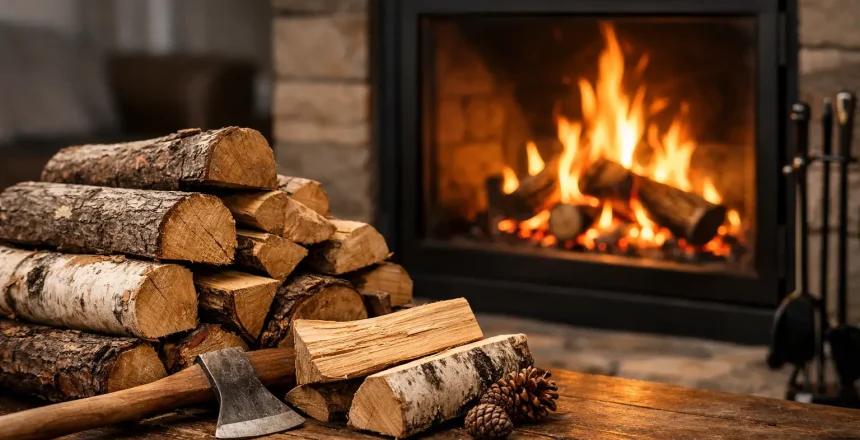
A fireplace can look the part and still perform badly if the fuel is wrong. The best wood for wood burning fireplace use is not just about what burns hottest. It is about safety, clean combustion, steady heat, less soot in the flue, and a fire that is easy to light and control.
For most UK homeowners, the biggest mistake is not the stove or the fireplace itself. It is burning logs that are too wet, the wrong size, or poorly suited to the way the appliance is used. If you want reliable heat and a cleaner-burning fire, the choice of timber matters more than many people realise.
What makes good wood for wood burning fireplace use?
Good firewood is dry, properly seasoned or kiln-dried, and suitable for the size and output of your fireplace or stove. In practical terms, moisture content is the first thing to get right. Wood that still holds too much water wastes heat because the fire has to drive off that moisture before it can burn efficiently.
As a rule, you should be looking for wood with a moisture content of 20% or below. That level helps the fire burn hotter and cleaner, with less smoke and less residue building up in the chimney or flue. It also makes the appliance easier to control, which is important whether you have a traditional open fireplace or a modern wood burning stove.
The type of wood matters too, but not in a simple hardwood good, softwood bad way. Hardwoods usually burn more slowly and give a longer, steadier heat. Softwoods tend to catch quickly and can be useful when lighting the fire. The right choice often comes down to how you use your fireplace day to day.
Hardwoods vs softwoods
Hardwoods such as ash, oak, beech and birch are popular because they are dense and generally provide a longer burn. If you want a fire that holds its heat well through the evening, hardwood logs are often the better option. Ash is especially well regarded because it burns consistently and produces strong heat output. Oak is another solid choice, though it needs proper drying because dense timber holds moisture for longer.
Birch lights more easily than some other hardwoods and gives a lively flame, which makes it useful if you want a balance between easy ignition and dependable warmth. Beech also burns well, though like oak it benefits from careful seasoning.
Softwoods such as pine and spruce ignite quickly and are often useful for starting a fire. They can burn faster, so they may need more frequent refuelling. That does not make them unsuitable. In fact, if they are properly dried and used sensibly, softwoods can work well, especially for kindling or for getting the fire established before adding denser logs.
The trade-off is simple. If you want a longer, slower burn, hardwood usually wins. If you want fast flame and easy lighting, dry softwood has its place. Many homeowners get the best results from using both at different stages of the burn.
Why moisture content matters more than wood species
A poor-quality hardwood can perform worse than a well-dried softwood. That is why moisture content is more important than simply buying whatever timber sounds premium.
Wet or unseasoned logs are harder to light, create more smoke and leave behind more deposits in the flue. They also reduce efficiency because part of the fire’s energy is spent evaporating water instead of heating your room. If your fireplace seems sluggish or blackens the glass quickly, damp fuel is often the cause.
Kiln-dried logs are a popular option because they are dried under controlled conditions and usually reach a low, reliable moisture level. Properly seasoned logs can also perform very well, but they need enough time and the right storage conditions. If wood has been left uncovered or stacked badly, the quality can drop quickly.
For a homeowner, the practical lesson is straightforward. Buy dry logs from a reliable supplier and store them correctly once they arrive. That one decision can make a bigger difference than debating one timber species over another.
The best types of firewood for UK homes
For most fireplaces and stoves in UK homes, ash, oak, beech and birch are dependable choices when dry enough to burn properly. Ash is often seen as one of the best all-round options because it gives steady heat and is relatively easy to work with as a fuel. Oak is dense and long-lasting, which suits homeowners who want sustained warmth, but it does need thorough drying.
Beech gives strong heat and a clean burn when well seasoned. Birch is useful if you prefer logs that catch more readily and still offer good heat output. Alder and sycamore can also perform perfectly well when properly dried, even if they are not always the first names people ask for.
If you are using an open fireplace rather than a closed stove, wood choice can feel slightly different because open fires are less efficient and more affected by draught. Even so, dry logs are still essential. In a stove, where combustion is more controlled, the benefits of the right fuel become even more obvious.
Wood to avoid in a fireplace
Not all timber belongs on the fire. Painted, treated or varnished wood should never be burned in a domestic fireplace or stove. The same applies to manufactured board products such as MDF or chipboard. These materials can release harmful fumes and create unsafe burning conditions.
Freshly cut green wood is also a poor choice because of its high moisture content. It will smoke heavily, burn badly and leave more deposits in the system. Driftwood is another material to avoid, particularly because salt contamination can cause problems when burned.
Even suitable natural logs can be a problem if they are oversized for the appliance. Wood should match the firebox size and allow good airflow around the fuel. If logs are too large, the fire can struggle to establish properly and may burn inefficiently.
How to store firewood properly
Good storage protects the quality you paid for. Logs should be kept in a dry, ventilated place with air able to move around the stack. A covered log store works well, provided the sides are open enough to allow airflow. Storing wood directly on the ground is not ideal because it can draw up moisture.
If you buy kiln-dried or seasoned logs and then leave them exposed to rain, they can quickly lose their advantage. The goal is to keep the wood dry without sealing it so tightly that condensation builds up. A garage can work if it is not damp, but outdoor covered storage is often the better option.
Bringing a small amount of wood indoors before use can also help, especially in colder months. Just do not overfill the room with fuel. You want convenience, not clutter.
Getting the best performance from your fireplace
The best wood for wood burning fireplace performance is only part of the picture. How you light and run the fire matters as well. Start with dry kindling and smaller pieces to establish flame and heat quickly, then add larger logs once the firebed is ready.
Avoid overloading the appliance. Too much fuel can reduce airflow and lead to incomplete combustion. Too little, and you may struggle to maintain heat. A well-run fire should burn brightly and steadily, not smoulder heavily.
If you are planning a new stove or fireplace installation, fuel choice should be part of the conversation from the start. A properly specified appliance, suitable flue system and correct installation all work together with the right logs. That is one reason many homeowners prefer a fully managed service from a HETAS registered installer. It removes guesswork and gives you confidence that the whole system is designed to operate safely and efficiently.
A practical way to choose the right logs
If you want the safest answer, choose clean, untreated, dry logs with moisture content at or below 20%. For everyday burning, hardwoods are usually the strongest option for lasting heat. Keep some dry softwood or kindling for lighting, and make sure every log you use is the right size for the appliance.
There is no need to overcomplicate it. You do not need rare timber or expensive specialist fuel. You need dry, suitable wood stored well and burned correctly. That is what keeps a fireplace performing as it should.
When a fire burns cleanly, you notice the difference straight away – easier lighting, better heat, a clearer view of the flames and a setup that feels simpler to live with. If you are investing in a fireplace or stove, choosing the right fuel is one of the easiest ways to protect that investment and enjoy it properly.