
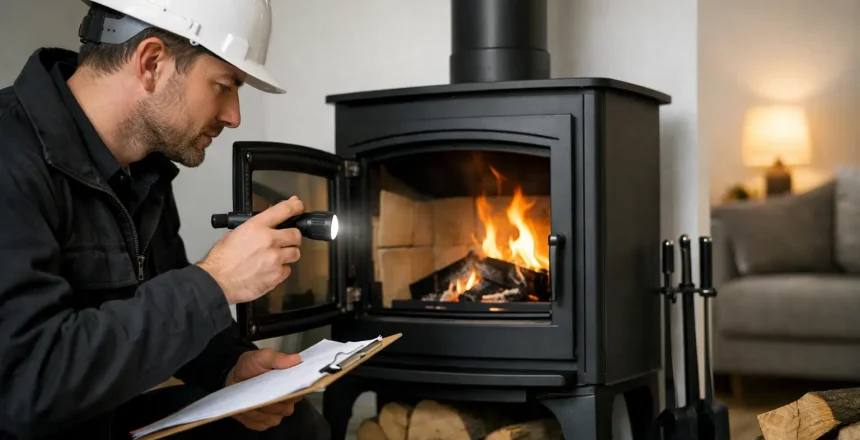
A stove can transform a room, but the wrong installation can create far more than a cosmetic problem. If you are asking, do I need HETAS for stove installation, the short answer is that you do not legally have to use a HETAS installer in every case – but the work must still comply with Building Regulations, and that is where many homeowners come unstuck.
For most people, using a HETAS registered installer is the simplest, safest route. It means the installation can be self-certified as compliant, which saves you from dealing with Building Control separately and gives you the paperwork you are likely to need later when selling your home or speaking to your insurer.
Do I need HETAS for stove installation in the UK?
Not always, but you do need compliance.
In England and Wales, a wood burning or multi-fuel stove installation is classed as controlled work under Building Regulations. That means the appliance, hearth, flue, chimney arrangement, distances to combustible materials, ventilation and overall installation standard all need to meet the relevant rules.
You have two main routes. The first is to use a HETAS registered installer, who can fit the stove and issue a certificate of compliance. The second is to use a non-registered installer or carry out the work another way, then apply through your local authority Building Control so the installation can be inspected and approved.
So if your real question is whether HETAS is mandatory by law, the answer is no. If your question is whether proper certification and compliance are mandatory, the answer is yes.
What HETAS actually does
HETAS is the official competent persons scheme for solid fuel heating in the UK. In practical terms, it allows registered installers to certify that their stove installation complies with the required standards.
That matters because stove fitting is not just about placing an appliance in an opening and connecting a flue. A compliant installation takes account of the full system. The size and condition of the chimney matter. The flue route matters. The right hearth dimensions matter. So does the air supply into the room. In some homes, additional building work is needed before a stove can be installed safely.
A HETAS registered engineer is trained to assess those details properly and sign the work off without sending you through a separate approval process. For homeowners who want a straightforward, fully managed job, that is often the biggest advantage.
If I do not use HETAS, what happens?
You can still have a legal installation, but you need Building Control approval.
This is the part many people miss. If you choose someone who is not HETAS registered, your local authority must usually be notified before or during the work, and they may charge a fee to inspect it. If the installation does not meet requirements, changes may be needed before approval is given.
That can turn a cheaper-looking quote into a more expensive and drawn-out process. It can also leave you in a difficult position if the installer is not set up to handle the compliance side properly. By contrast, when the work is carried out by a HETAS registered specialist, the certification process is usually much more direct.
Why the certificate matters more than people think
The certificate is not just a nice extra to file away in a drawer.
When a stove is installed through the correct route, you should have documentation showing the work complies with Building Regulations. That paperwork can become important if you sell your property, remortgage, update home insurance or need to show that the appliance was installed properly.
If there is no certificate and no Building Control approval, buyers and solicitors may raise questions. Insurers may do the same. Even if the stove appears to work perfectly well, missing paperwork can create delays and uncertainty.
That is why homeowners often ask about HETAS in the first place. What they usually want is peace of mind that the installation is safe, legal and fully documented.
Do I need HETAS for stove installation if there is no chimney?
This is one of the most common situations where professional guidance really matters.
You can install a stove in a property without an existing chimney, but it will need a suitable flue system, typically a twin wall insulated chimney system designed and fitted to current standards. The route of that system, where it passes through floors or roofs, its terminal position and its clearance from combustible materials all need careful planning.
In these cases, using a HETAS registered installer is especially sensible because the job involves more than just connecting an appliance. It often includes surveying the property, deciding on the safest flue path and making sure the full installation is compliant from day one.
Cases where the answer depends
There are a few situations where homeowners hear conflicting advice.
If you are replacing an old stove with a new one, people sometimes assume it is a simple swap. It is not always that straightforward. The existing flue may not be suitable. The hearth may not meet current requirements. The output of the new stove may affect ventilation needs. Even where a fireplace already exists, the installation still needs to be assessed properly.
Newer homes can also be more complex than expected. Modern properties are often more airtight, which can affect combustion air requirements. Listed buildings and unusual room layouts may also need extra thought. This is where experience counts. A proper survey helps avoid assumptions that lead to compliance problems later.
Why many homeowners choose a HETAS installer anyway
For most households, the appeal is simple. It removes uncertainty.
A HETAS registered specialist can assess the room, the chimney or flue route, the hearth, the required clearances and any ventilation needs in one joined-up process. If building work is needed to create a safe and compliant setting for the stove, that can be factored in from the start rather than discovered halfway through the job.
It also keeps responsibility clear. Instead of trying to coordinate separate trades and approval steps yourself, you have one route from survey to installation to certification. That is often the difference between a smooth project and a stressful one.
For homeowners wanting what we would call a 100% peace of mind installation, this is usually the most practical choice.
Common misconceptions about HETAS
One misunderstanding is that HETAS is just a badge and has no real impact. In reality, it affects how the installation is approved and documented.
Another is that any competent builder can fit a stove if they follow the instructions. Stove installations involve far more than appliance instructions alone. They must satisfy Building Regulations for the whole installation, not just the stove itself.
There is also a belief that certification only matters if you plan to sell soon. That is risky thinking. If you ever need to prove the stove was installed correctly, whether for insurance or future property paperwork, having the right certificate already in place is far easier than trying to fix missing records later.
The practical answer for most households
If you are still asking, do I need HETAS for stove installation, the most useful answer is this: you need a compliant installation and valid certification, and using a HETAS registered installer is normally the easiest way to achieve both.
It may not be the only lawful route, but it is the route that tends to save time, reduce hassle and give homeowners confidence that the job has been handled properly. That is particularly true if your project involves a new flue system, a property without a chimney, a fireplace opening that needs alteration or any uncertainty about what the room can safely accommodate.
A reputable installer should be able to explain what is required in plain English, not bury you in jargon. They should also be clear about what is included, what certification you will receive and whether any additional building work is needed to complete the installation correctly.
FAQs
Is HETAS a legal requirement?
No, HETAS itself is not legally required in every case. What is legally required is that the stove installation complies with Building Regulations and is properly approved or certified.
Can I install a stove myself?
You may be able to, but the work still needs to comply fully with Building Regulations and usually requires inspection through local authority Building Control. For most homeowners, that is a more complicated route with more room for costly mistakes.
Will my home insurance ask for a HETAS certificate?
Insurers vary, but many want evidence that the stove was installed correctly and complies with regulations. A HETAS certificate is commonly used for that purpose.
Does this apply to wood burners and multi-fuel stoves?
Yes. The same principle applies to solid fuel stove installations generally. The exact requirements depend on the appliance and the property.
If you are weighing up your options, the safest next step is not to guess. Get the installation assessed properly, ask what certification will be provided and make sure the job is designed around compliance from the start. That way, you can enjoy the stove for what it should be – a reliable focal point in your home, not a lingering question mark.