
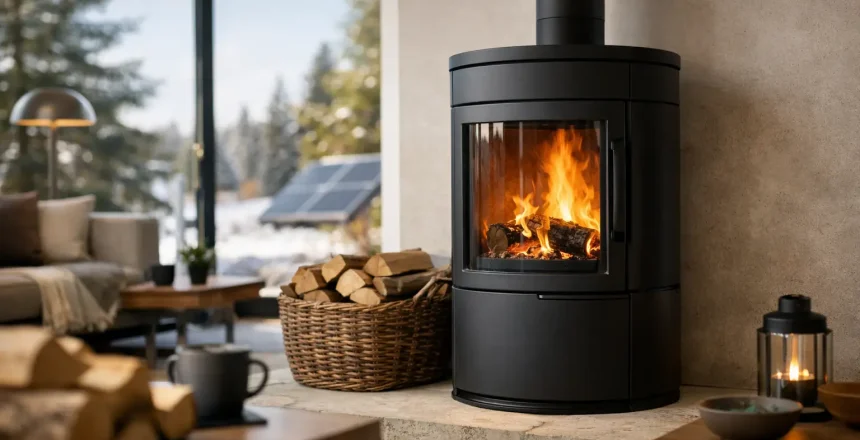
Rising energy costs have changed how many households think about heat. The latest home heating trends wood stoves reflect that shift clearly – homeowners are looking for a heating option that feels reliable, efficient and attractive, without creating uncertainty around safety or building regulations.
That is why wood stoves are not simply being chosen as a style feature. More people now want them to play a practical role in everyday heating, whether that means warming a single living space effectively or reducing reliance on more expensive central heating during colder months. In the UK, the conversation has moved on from appearance alone. Efficiency, compliance and installation quality now matter just as much.
Why home heating trends wood stoves are changing
A few years ago, many buyers approached a stove as a finishing touch for a renovation. Now, the decision is more considered. Householders are weighing running costs, heat output, property layout and whether the installation can be carried out correctly from the start.
One of the biggest changes is that customers are asking better questions. They want to know whether a stove suits the room size, whether a chimney needs lining, what happens if the home has no chimney at all, and how the work will be signed off. That is a positive shift. A stove should never be chosen on looks alone, because the wrong appliance in the wrong setting can be disappointing at best and unsafe at worst.
Another clear trend is the move towards whole-project planning. Homeowners increasingly prefer a fully managed installation rather than trying to piece together different trades. When building work, flue design, hearth requirements and certification are handled properly, the outcome is simpler and far less stressful.
Efficiency is driving buying decisions
The strongest trend in the market is the demand for improved efficiency. People want more heat from less fuel, and they want a stove that performs consistently rather than one that looks good in a showroom but struggles in a real home.
Modern wood stoves are generally far more efficient than older open fires and outdated appliances. That said, efficiency on paper is only part of the story. Real performance depends on correct sizing, suitable flue design and proper installation. A powerful stove in a small room can feel overpowering and uncomfortable. An undersized stove may not deliver the warmth expected. This is where professional guidance makes a real difference.
For many households, the ideal setup is not necessarily the biggest stove available. It is the one matched properly to the space and used as part of a sensible heating strategy. In practice, that often means steady, controllable room heat with the option to reduce pressure on the main heating system.
Cleaner burning matters more than ever
Another major development in home heating trends wood stoves is the shift towards cleaner burning models. UK homeowners are far more aware of emissions, fuel quality and the importance of using the right appliance for the right environment.
This does not mean wood stoves are a one-size-fits-all answer. It means the market has become more selective. Customers are paying attention to appliance standards and asking whether their planned installation is suitable for their home and local setting. That is sensible. A compliant stove installed to current standards gives far more confidence than an older setup with unclear performance.
Clean burning performance also depends on how the stove is used. Even the best appliance can underperform if poor fuel is used or the system has not been installed correctly. Good results come from the combination of appliance choice, installation quality and responsible day-to-day operation.
More installations in homes without chimneys
One of the most significant changes in the UK market is the growing number of stove installations in properties without a traditional chimney. This has opened the door for many homeowners who previously assumed a log burner was not an option.
With the right design, a twin wall flue system can make stove installation possible in many houses, extensions and newer homes. That has widened the appeal of wood stoves considerably. It also means early planning is essential, because routing the flue correctly, meeting distance requirements and integrating the system neatly into the property all need careful attention.
This is where experience matters. A no-chimney installation can work very well, but it must be approached as a technical project rather than a quick add-on. Homeowners tend to value that clarity. If something is possible, they want to know it can be done safely, legally and with a clean finished result.
Style still matters, but practicality comes first
There is still strong demand for stoves that improve the look of a room. Contemporary homes often favour cleaner lines and a minimalist finish, while period properties may suit a more traditional appearance. That part has not changed.
What has changed is the order of priorities. Style is now usually discussed alongside heat output, hearth requirements, clearance distances and the realities of the room. In other words, aesthetics still matter, but they are no longer enough on their own.
This is a healthier way to choose a stove. The best installations are the ones where the visual result and technical design support each other. A stove should look right in the room, but it should also be safe, compliant and capable of performing well over time.
Homeowners want less hassle and more certainty
A very clear consumer trend is the move towards hassle-free installation. Most homeowners do not want to manage surveys, building work, hearth preparation, flue decisions and certification separately. They want a straightforward process, a clear quotation and confidence that the work will be completed properly.
That is especially true when regulations are involved. Few people want to spend time trying to interpret technical requirements themselves, and they should not have to. A HETAS registered installer can guide the process, explain what is required and make sure the finished installation is legally compliant.
For the customer, that means fewer unknowns. It also means the installation is not left in a grey area where the stove may look complete but key compliance steps have been missed. In practical terms, peace of mind is becoming just as important as the stove itself.
What these trends mean for choosing the right stove
If you are considering a stove now, the current market points towards a more informed decision-making process. The most successful projects usually start with the property, not the product. Room size, existing fireplace opening, chimney condition, flue route and ventilation all need to be considered before settling on a final appliance.
That can feel like a lot to think about, but it is what prevents expensive mistakes. A good installer will walk you through the options in plain English and explain what is suitable for your home. Sometimes the answer is a straightforward fireplace installation. Sometimes it involves a new flue system and associated building work. The right route depends on the property.
It also depends on how you plan to use the stove. Some households want occasional evening warmth and atmosphere. Others want a more meaningful contribution to daily heating. Those are different goals, and they may lead to different recommendations.
The growing focus on compliance and certification
One of the healthiest changes in the market is that homeowners are paying more attention to compliance. That may not sound exciting, but it matters enormously.
A properly installed wood stove is not just about getting heat into a room. It involves fire safety, flue performance, suitable materials, correct clearances and formal sign-off. Cutting corners in any of these areas is never worth it.
This is why professional certification has become such an important part of the buying decision. Customers want to know the installation has been carried out to the correct standard and documented properly. That confidence is particularly important when work forms part of a wider home improvement project or when future property paperwork may depend on it.
For many UK homeowners, this is where specialist support becomes the deciding factor. Stove Specialists UK, for example, reflects the wider demand for fully managed installations that combine practical advice with HETAS registered compliance from start to finish.
Are wood stoves still a good fit for modern homes?
For many homes, yes – but not automatically. The best results come when expectations are realistic and the installation is designed properly.
A wood stove can be an excellent choice for households that want dependable room heat, a strong visual focal point and a more independent heating option. It can also work well in both older properties and newer homes, provided the technical setup is right. On the other hand, if a property layout or usage pattern does not suit a stove, that should be said openly.
Good advice is not about pushing every customer towards the same answer. It is about recommending a solution that works in the real world, in that specific property, for that specific household.
The direction of travel is clear. Homeowners are choosing wood stoves more carefully, with greater focus on efficiency, cleaner burning, legal compliance and a fully managed installation process. That is a sensible trend, and it usually leads to better outcomes. If you are thinking about adding a stove to your home, the best first step is not choosing a model. It is choosing expert advice that makes the whole process feel straightforward from day one.