
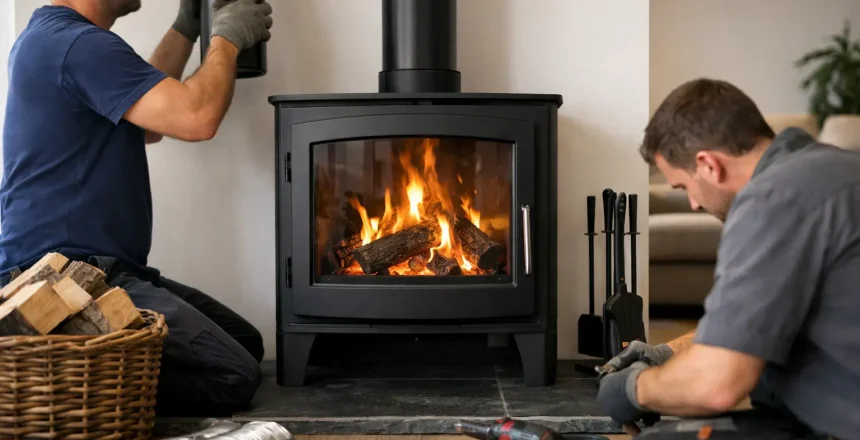
A wood burning stove can transform a room, but the part most homeowners underestimate is not choosing the stove – it is getting the installation right. If you are wondering how to get a wood burning stove installed, the short answer is this: start with a proper survey, make sure the design suits your home, and use a qualified installer who can complete the work safely and certify it correctly.
That matters because a stove is not just a decorative feature. It is a heating appliance connected to a live flue system, built into a room that must meet clear safety and ventilation standards. Done properly, it gives you efficient heat, a strong focal point and complete peace of mind. Done badly, it can create serious safety risks, expensive remedial work and problems when you come to sell your home.
How to get a wood burning stove installed the right way
The process usually starts with a home survey. A professional installer needs to see the space, assess whether there is an existing chimney or whether a twin wall flue system is needed, and check the condition of the fireplace opening, chimney breast, hearth area and route for the flue. This is also the stage where output is discussed. Bigger is not always better. A stove that is too powerful for the room can make the space uncomfortable and lead to inefficient burning.
Once the survey is complete, you should receive a clear recommendation on the stove size, flue arrangement, hearth requirements and any building work needed. In some homes, the installation is fairly straightforward because there is already a usable chimney and fireplace opening. In others, more work may be required, such as opening up a chimney breast, creating a suitable hearth, lining the chimney, or designing an external flue system where no chimney exists.
A good installer will walk you through those options in plain English. The goal is not simply to fit a stove. It is to create a complete system that works safely, draws properly and complies with the relevant regulations.
The key checks before installation starts
Before any fitting takes place, a few practical points need to be confirmed. The first is whether your chosen stove is suitable for the room and the property. This includes the heat output, the clearances around the appliance and the way the flue will be routed. In newer or more airtight homes, ventilation becomes especially important because the stove needs enough air to burn efficiently.
The second is the chimney or flue arrangement. If you have a chimney, it may still need a flue liner to ensure safe performance and protect the system. If you do not have a chimney, that does not rule out a stove. A twin wall insulated chimney system can often be installed through the property and out through the roof or externally, depending on the layout of the home.
The third is the hearth and surrounding construction. The stove must sit on a compliant hearth of the correct size and specification. Surrounding materials also need to be suitable for the heat produced. This is one of the reasons a proper site assessment matters. What looks simple at first glance can involve important technical details behind the finished appearance.
Why HETAS registration matters
In the UK, stove installation should be carried out by a competent person who understands the regulations and can certify the work. A HETAS registered installer is able to self-certify that the installation complies with the relevant standards. For homeowners, that makes the process much simpler and gives you formal documentation for your records.
That certificate is not just paperwork for a drawer. It can be important for home insurance, future property sales and general proof that the installation was carried out correctly. It also gives you confidence that the job has been tested and signed off by somebody working to recognised standards.
What happens during the installation
On installation day, the exact work depends on the setup agreed during the survey. If there is an existing fireplace, it may need to be opened up or prepared to accommodate the stove and flue connection. If a chimney liner is being fitted, that will usually be installed from the top of the chimney and connected to the appliance below. If there is no chimney, the twin wall system will be assembled and routed according to the approved design.
The hearth is installed or finished to the required standard, the stove is positioned correctly, and the flue components are connected and sealed. The installer will also check distances to combustible materials, ventilation provisions and the overall stability and usability of the setup.
Once fitted, the appliance and flue system should be tested. This includes checking the draw, confirming smoke is passing correctly through the flue, and making sure the installation operates as intended. You should also be shown how to use the stove properly, including how to light it, control it and run it efficiently.
How long it takes and what can affect the job
Many homeowners want to know how quickly the work can be completed. A straightforward installation into an existing suitable fireplace can often be completed within a day. More complex jobs can take longer, especially if building work is needed or a new flue system has to be created.
The main factors that affect timescales are access, chimney condition, whether a liner is required, whether a new hearth is being built, and whether the room needs structural preparation. Older properties can be less predictable because hidden issues sometimes only become clear once the opening is exposed. That is not unusual, and it is another reason to choose a specialist who can manage the whole job properly rather than treating it as a simple appliance fit.
Costs and why the cheapest quote is not always the best one
The cost of installing a wood burning stove varies because no two homes are exactly the same. The stove itself is only one part of the overall price. The full figure may include the survey, flue system, chimney liner, hearth work, building work, labour, testing and certification.
This is where homeowners can run into trouble by comparing prices too narrowly. A low quote may leave out necessary work, use an unsuitable flue specification or fail to include certification. A proper quote should explain what is included, what assumptions have been made and whether any additional work might be needed if site conditions change.
A dependable installation company will be clear about costs from the start and explain where there is flexibility. For some households, finance options are also helpful because they make it easier to spread the cost of a safe, compliant installation without cutting corners.
Common installation scenarios
The most straightforward scenario is an existing fireplace with a usable chimney, where the stove is fitted into the opening with the appropriate flue connection and chimney lining. This is often what people imagine when they think of a classic log burner installation.
The second common scenario is a property with a chimney breast that has been closed off or altered over time. In those cases, opening up the fireplace and making the chamber suitable for a stove can be part of the job.
The third is a home with no chimney at all. This is increasingly common in newer properties, extensions and renovated homes. A properly designed twin wall system can make a stove perfectly achievable, provided the route and clearances work.
There is no single best setup for every property. The right answer depends on the building, the room layout and the look you want to achieve alongside the technical requirements.
Questions to ask before you agree to the work
When choosing an installer, ask whether they are HETAS registered, whether they handle the full installation including flue and building work, and whether certification is included. You should also ask what type of flue system is being recommended and why, what hearth specification is required, and how the room will be protected during the works.
It is also sensible to ask what happens if the survey uncovers additional requirements. A professional company will not pretend every job is identical. They will explain where there are fixed costs and where there may be variables depending on what is found on site.
If you are in areas such as the West Midlands, Oxfordshire or surrounding counties, it can be useful to choose a specialist with broad experience across different property types, from period homes with older chimney stacks to modern houses needing a completely new flue route.
After fitting: certification and first use
Once the stove has been installed and tested, you should receive the correct certification. Keep it safe. It is part of the value of having the work done properly in the first place.
You should also leave the handover understanding how to operate the stove correctly. Even the best installation benefits from proper use. Running the appliance as intended helps it perform efficiently, keeps the glass cleaner and gives you the best heat output for the fuel used.
For many homeowners, the easiest route is to use a company that manages the process from survey to final sign-off. That removes the need to coordinate different trades and helps avoid gaps between the design, the installation and the certification. Stove Specialists UK takes exactly that approach, with HETAS registered installation and a fully managed service built around safety, compliance and 100% peace of mind.
A wood burning stove should feel like an upgrade, not a gamble. If you start with the right survey and choose an installer who treats safety and compliance as part of the job, not an extra, you can enjoy the finished result for the right reasons from day one.