
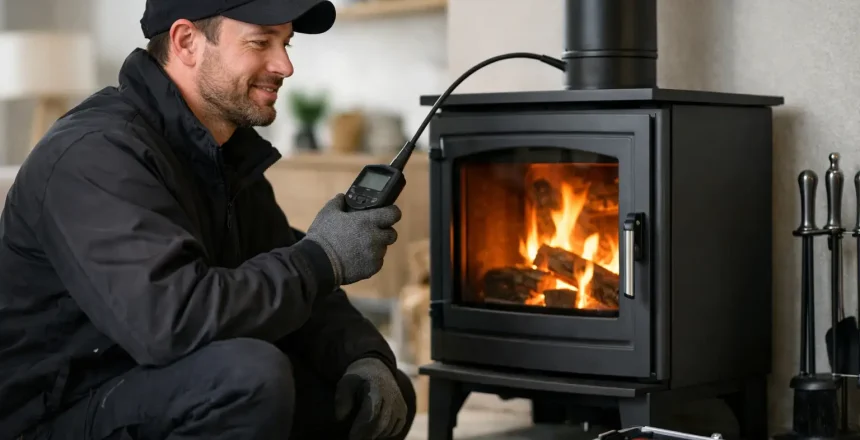
A stove can transform a room, but only if it is installed properly. Choosing a HETAS engineer is not just a box-ticking exercise – it is the difference between a heating feature that looks the part and one that is safe, compliant and built to perform well for years.
For many homeowners, the appeal is obvious. A wood burning or multi-fuel stove brings warmth, character and a focal point to the home. What is less obvious is how much sits behind a correct installation. The stove itself is only one part of the job. The flue route, chimney condition, hearth, ventilation, clearances to combustible materials and building regulations all need to be considered together. That is where a qualified specialist earns their place.
What does a HETAS engineer do?
A HETAS engineer is trained and registered to install solid fuel and wood burning appliances in line with current regulations and safety standards. In practical terms, that means they assess whether your property is suitable, recommend the right installation method and carry out the work so the completed system functions safely and legally.
This matters whether you are fitting a stove into an existing fireplace, creating a new installation in a room with no chimney, or upgrading an older setup. Every property is different. A period home with an old chimney breast presents one set of considerations. A newer property needing a twin wall system presents another. The right engineer will not force a one-size-fits-all answer. They will explain what your home needs and why.
A proper survey is a big part of that process. Before any fitting begins, the engineer should look at the construction of the room, the intended appliance output, the route for the flue and any building work needed to achieve a compliant finish. Good advice at this stage can save time, cost and disruption later on.
Why using a HETAS engineer matters
The simplest answer is safety. Solid fuel appliances generate high temperatures and produce combustion gases that must be controlled and expelled correctly. If a stove or flue system is poorly installed, the risks are serious. These include carbon monoxide issues, chimney fires, smoke leakage and damage to surrounding materials.
A HETAS engineer works to reduce those risks through correct design and installation. That includes making sure the flue is suitable, the appliance has the right clearances, the hearth meets the required specification and the overall setup aligns with building regulations.
There is also the legal side. In England and Wales, stove installations must comply with building regulations. A HETAS registered installer can self-certify the work, which means you receive the appropriate certification without needing to arrange separate building control approval. That is not just convenient. It can also be important when selling your property or dealing with home insurance questions.
Cost matters too, and this is where some homeowners hesitate. It can be tempting to focus on the stove price alone or assume any general installer can do the work. In reality, cutting corners at installation stage often proves more expensive. If the flue route is wrong, the hearth is non-compliant or the ventilation has been overlooked, the job may need redoing. Paying for the right expertise upfront is usually the more sensible route.
A HETAS engineer and building regulations
One of the main reasons homeowners look for a HETAS engineer is confidence that the installation will meet current rules. Building regulations are not there to make the process awkward. They exist because stoves affect fire safety, air supply and the way combustion products leave the building.
An experienced installer understands the practical detail behind those rules. For example, the size and type of hearth depends on the appliance and its tested performance. The flue system must be suitable for the stove and the property. Some homes need a chimney liner. Others need a full twin wall insulated chimney system because there is no usable chimney at all.
Ventilation is another area where people can be caught out. Modern homes can be more airtight, which is good for efficiency but can create challenges for appliances that rely on proper airflow. A HETAS engineer will factor that into the recommendation rather than treating the stove as a standalone product.
Compliance also affects the finish of the job. A stove should not simply be made to fit the opening. The opening, chamber, surround and hearth may all need adjustment so the final result is both safe and visually right for the room.
Not every stove installation is straightforward
Homeowners often begin with a simple idea: put a stove where the old fireplace is, or add one to a room that feels cold. Sometimes it is that straightforward. Often, it is not.
Older chimneys may look serviceable but still require lining. A fireplace recess may need alteration to achieve the right clearances. A property without a chimney may still be perfectly suited to a stove, but the flue route needs careful planning to work well and look right from both inside and outside the home.
This is where practical experience matters as much as certification. A capable HETAS engineer does not just install an appliance. They solve the wider fitting challenge. That could mean advising on the best stove size for the room, identifying when a twin wall system is the better option, or explaining why a more ambitious design idea needs adjusting to stay compliant.
There are trade-offs in almost every project. A larger stove may look impressive, but if it is oversized for the room it can be inefficient and uncomfortable to use. A particular flue route may seem visually cleaner, but another route may offer better performance or simpler compliance. Good advice is rarely about saying yes to everything. It is about recommending what works.
How to choose the right HETAS engineer
The first thing to look for is clear, professional communication. A reliable installer should be able to explain the process in plain English, outline what is included and talk you through any building work required. If the explanation feels vague, rushed or overly technical, that is usually a warning sign.
You should also expect a proper survey and a written quotation. Stove installations vary too much for guesswork. The quote should reflect the actual property, not a generic package that ignores the details. If your home needs chimney lining, a new hearth or a twin wall flue system, that should be identified from the outset.
It is also worth paying attention to whether the service feels fully managed. Homeowners usually want a hassle-free installation, not a project they have to coordinate themselves. A specialist service should take you from survey through to fitting and certification with clear recommendations at each stage.
That is especially valuable if your installation involves more than simply placing a stove into an existing opening. Where structural work, hearth creation or a new chimney system is needed, experience in handling the whole job can make the process much smoother.
What you should expect from the process
A good installation journey starts with listening. Your engineer should ask how you want to use the stove, what kind of property you have and whether this is a replacement or a completely new feature. Those details influence the recommendation.
From there, the survey should establish what is possible, what is required for compliance and what options you have on budget and finish. Some customers want a full supply-and-fit package. Others already have a stove and need expert installation only. Both can work, provided the installation is planned around the appliance and the property.
Once the recommendation is agreed, the fitting itself should be methodical and tidy. More importantly, it should end with certification and the reassurance that the installation has been completed correctly. That peace of mind is a major part of what you are paying for.
For homeowners across areas such as the West Midlands, Oxfordshire and surrounding counties, working with an experienced specialist like Stove Specialists UK can remove a lot of uncertainty from the process. When the advice is clear and the installation is handled properly, you can focus on choosing the right stove for your home rather than worrying about the technical detail behind it.
A stove should feel like a long-term improvement to your home, not a risk you hope has been managed properly. If you start with the right HETAS engineer, you give yourself the best chance of getting a result that is safe, compliant and genuinely worth having.