
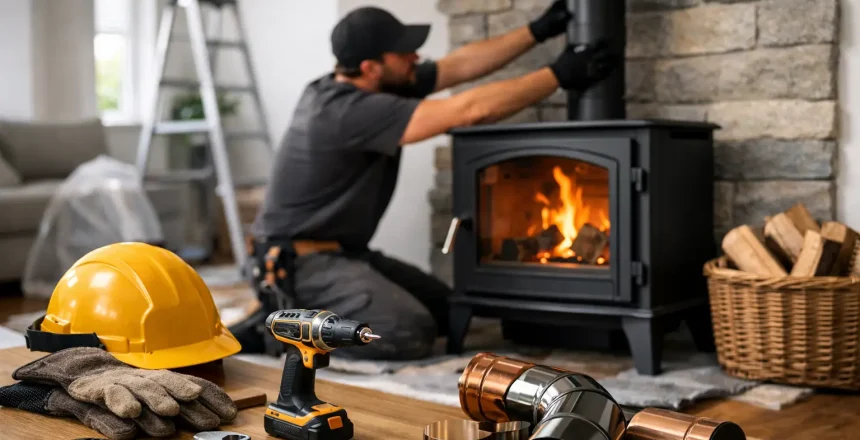
If you are pricing up a new stove, the figure that matters most is the full wood burning stove installation cost UK homeowners can expect to pay – not just the price of the appliance itself. A stove might look affordable in a showroom, but the final cost depends on the flue route, chimney condition, hearth, building work and, most importantly, whether the installation is carried out safely and signed off correctly.
That is why quotes can vary so widely. A straightforward install into an existing chimney opening is one thing. A brand-new system in a house with no chimney is another. The best way to look at it is not as a single fixed price, but as a package made up of the stove, the installation method, and any remedial or upgrade work needed to make everything compliant.
What does wood burning stove installation cost in the UK?
For most homeowners, a fully installed wood burning stove in the UK will usually fall somewhere between £2,000 and £5,500. At the lower end, that might cover a simpler installation using an existing chimney in decent condition, with limited building work required. At the higher end, you are more likely looking at a more complex job, a premium stove, a longer flue system, a new hearth, or a twin wall chimney system for a property without a usable chimney.
If you have already bought your stove and only need fitting, the installation cost may start from around £1,200 to £2,500, depending on what is involved. If you need the stove supplied as part of the package, your final figure rises according to brand, output, style and efficiency rating.
These are not made-up headline prices. They reflect the reality that no two properties are quite the same. Chimneys differ, room layouts differ, and building regulations still have to be met regardless of whether the job looks simple on paper.
What makes the cost go up or down?
The biggest pricing factor is the flue arrangement. If your property has a suitable chimney and the chimney breast and opening are in good order, installation is usually more cost-effective. Even then, many jobs still require a flexible flue liner, chimney cowl, register plate and connection parts.
If there is no chimney, costs rise because a twin wall insulated flue system has to be created. That means routing the system internally or externally, passing through floors or walls where needed, and meeting clearance rules. It is a very effective solution, but it is more labour-intensive and uses more specialist materials.
The condition of the fireplace opening also matters. Some homes need the opening enlarging, a new concrete lintel, closure work around the stove recess, or decorative making-good once the appliance is in place. In older properties, it is not unusual to uncover damaged brickwork or a chimney that needs attention before installation can proceed safely.
Hearth requirements can also alter the quote. Some installations can use an existing suitable hearth. Others need a new hearth built to the right dimensions and thickness, using slate, granite, glass or another appropriate non-combustible material.
Then there is the stove itself. An entry-level 5kW stove costs far less than a larger, more design-led model from a premium manufacturer. Choosing the wrong size can be an expensive mistake, so this is one area where good advice can save money as well as improve performance.
Typical cost breakdown
A useful way to think about the wood burning stove installation cost UK customers receive is by component rather than by one flat number.
A stove may cost anywhere from around £700 to £2,500 or more. A flue liner kit for a chimney installation can add several hundred pounds, depending on diameter, grade and chimney height. Labour for fitting, testing and commissioning is another major part of the quote, especially if scaffolding or roof access equipment is needed.
If building work is required, costs can increase again. Opening up a fireplace, fitting a lintel, rendering the recess, installing a hearth and carrying out chimney repairs are all separate elements. In no-chimney properties, a twin wall flue system often becomes the single largest cost within the project because of the specialist parts involved.
This is why two installs with the same stove can come out at very different totals. One might be a clean, efficient one-day fit. The other might involve several trades and a much longer installation route.
Chimney liner or twin wall – which costs more?
In simple terms, twin wall systems usually cost more than lining an existing chimney. If you already have a working chimney in a suitable location, lining it is often the most economical route to a compliant stove installation.
A flexible liner installation is generally quicker and uses fewer visible components inside the room. That said, it still has to be suitable for the stove and the property. A neglected or damaged chimney can need extra work, and those costs need to be factored in honestly from the start.
A twin wall insulated flue system is typically the answer when there is no chimney or when the existing chimney is not practical to use. It gives plenty of flexibility, but there is more material involved, more design consideration, and often more labour. The result can look excellent and work brilliantly, but it is rarely the budget option.
Why the cheapest quote is not always the cheapest job
It is tempting to compare quotes on price alone, especially if you are already stretching your budget to buy the stove. But with stove installation, a low figure can sometimes mean important elements have been left out.
For example, does the quote include commissioning, smoke testing and certification? Does it include the right flue components, a suitable hearth arrangement, and any required carbon monoxide alarm? Has the installer allowed for making the system compliant with current regulations, or are you likely to be presented with extras later on?
A proper installation should leave you with 100% peace of mind. That means the appliance is fitted safely, performs as it should, and is backed by the right paperwork. Paying less upfront can become expensive if remedial work is needed later.
Do you need a HETAS registered installer?
If you want a hassle-free, legally compliant installation, using a HETAS registered engineer is the straightforward route. A registered installer can self-certify the work, which means you receive the right documentation for building regulations compliance without having to arrange separate approval yourself.
That matters more than many homeowners realise. When you sell your property, missing certification can cause delays and awkward questions. It also matters for safety and for insurer confidence. A stove is not just another decorative feature. It is a live heating appliance, and installation standards are there for a reason.
At Stove Specialists UK, this is exactly why we focus on fully managed installations. Customers want clear recommendations, safe workmanship and formal certification, not guesswork.
Ways to keep costs sensible without cutting corners
There are sensible ways to manage your budget. Choosing a stove that is correctly sized for the room is one. Overspending on a bigger appliance than you need rarely improves results. In many homes, a 5kW stove is more than enough.
Keeping the flue route simple can also help where there is flexibility in room layout. If you are renovating, it is often cheaper to coordinate fireplace or hearth work at the same time rather than treat it as an afterthought.
It can also be worth asking whether installation-only is possible if you already have a stove, although the appliance still needs to be suitable and compliant. The key point is that saving money should never mean compromising on the flue system, distances to combustibles, ventilation requirements or certification.
Getting an accurate quote
The most reliable quotes come after a proper survey. Photos can help at the early stage, but there is no substitute for checking the property, chimney route, access and installation position in person. That is often when issues are picked up before they turn into costly surprises.
A good quote should be clear about what is included, what assumptions have been made, and whether there are potential extra costs if hidden defects are uncovered. Most homeowners do not mind paying for necessary work. What they dislike is vague pricing and being left in the dark.
If finance is important to you, it is also worth asking about payment options early on. Spreading the cost can make a better-quality, fully compliant installation far more manageable.
The right stove installation should heat your room well, look right in the space, and leave you confident that everything has been done properly. If you are comparing prices, do not just ask what it costs. Ask what is included, how it will be certified, and whether the installer is taking full responsibility for the job from survey to sign-off. That is usually where real value becomes clear.